CHIBA – Japan may be forced to invoke compulsory land acquisition laws to save its most ambitious airport expansion in decades, after Narita International Airport’s operator warned the government that holdout landowners are threatening the project’s 2029 deadline.
Narita International Airport Corporation (NAA) President Naoki Fujii met with Transport Minister Yasushi Kaneko to flag the crisis directly. Fujii told the minister that without securing the remaining land parcels, construction timelines for the new and extended runways cannot be confirmed.
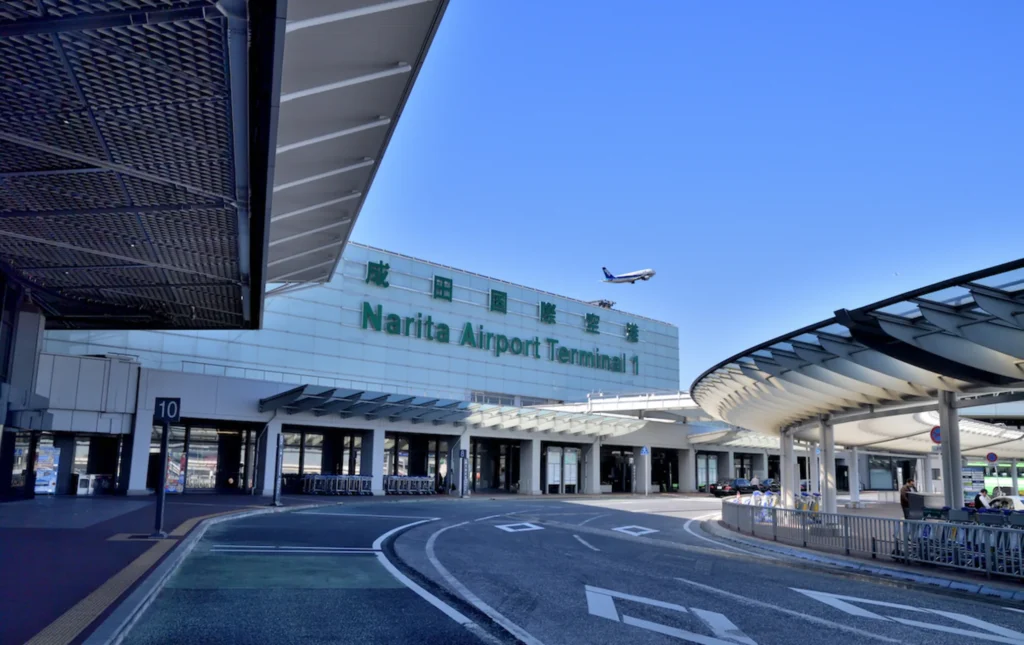
As of late March 2026, only 89.7 percent of the required 1,099 hectares had been secured.
A Project Decades in the Making
Narita’s expansion – sometimes called the airport’s “second opening” – aims to nearly double the facility’s total area from roughly 1,200 hectares today to 2,297 hectares.
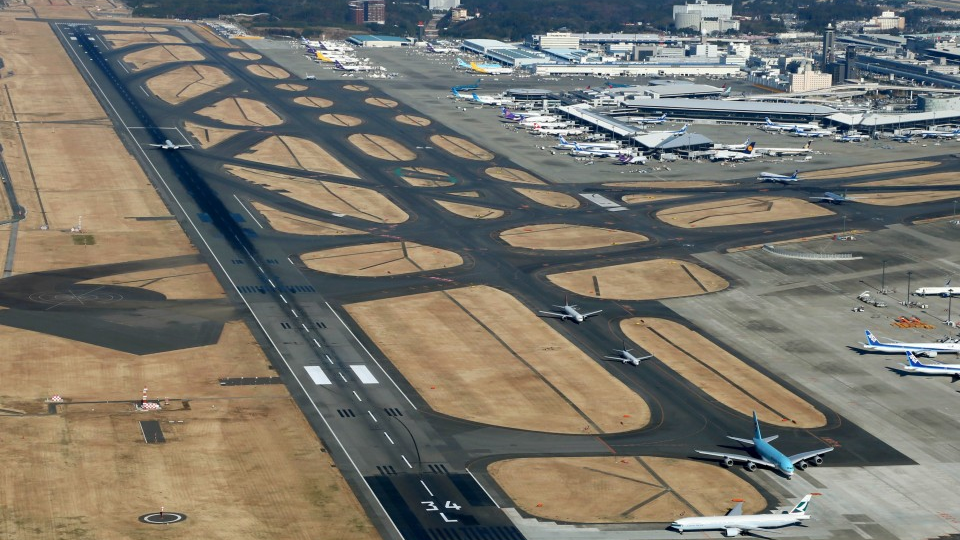
Two construction projects sit at the center of the plan: a new 3,500-meter Runway C built from scratch, and an extension of the existing Runway B by 1,000 meters. Work on Runway B began in 2025. Once both are complete, annual aircraft movements are expected to climb from 340,000 to 500,000.
The March 2029 opening of the extended Runway B is the first major milestone. Runway C has no confirmed completion date while the land dispute continues.
Why Landowners Are Resisting
Several property owners continue to refuse sale, citing dissatisfaction with compensation terms. Progress has stalled despite ongoing government negotiations.
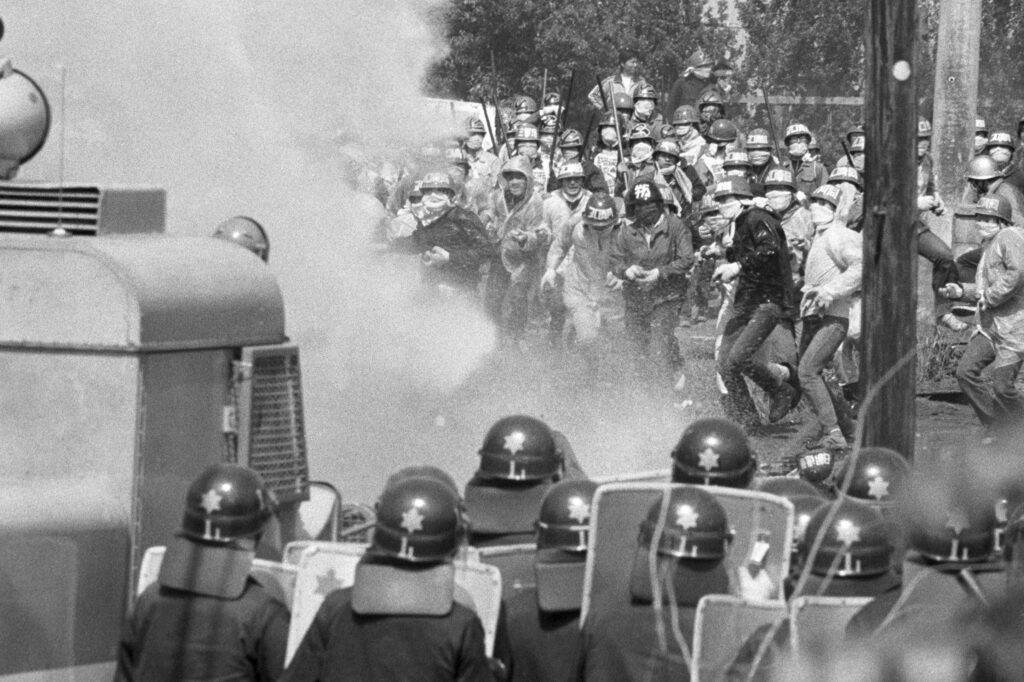
The resistance carries historical weight. Narita’s original construction in 1978 forced the displacement of local farmers and triggered years of violent protests – a legacy that still shapes how both the government and NAA approach land disputes today.
Fujii acknowledged the sensitivity but stated that Japan’s land expropriation law is now under active consideration. Without legal intervention, he warned, construction timelines will remain uncertain.
Government Walks a Careful Line
Minister Kaneko did not rule out compulsory acquisition but stopped short of committing to it. He acknowledged the expansion’s national importance, pointing to Japan’s surging inbound tourism and rising cargo demand at Narita.
At the same time, Kaneko urged NAA to keep dialogue open with affected residents. Voluntary agreements, he stressed, should remain the preferred path even as legal options are being evaluated.
The cautious framing is deliberate. Forced land seizure is legally available under Japanese law but carries significant political risk, particularly given Narita’s history.
What a Delay Would Mean
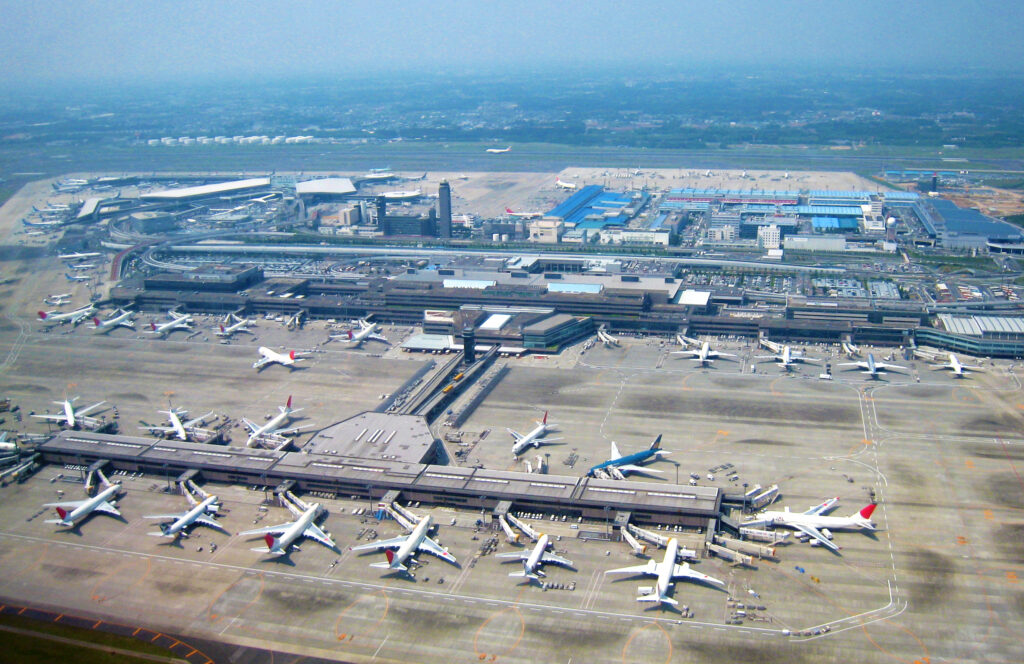
Narita handles a large share of Japan’s long-haul international traffic. Japan Airlines and All Nippon Airways operate major international schedules from NRT, alongside dozens of foreign carriers using it as their primary Tokyo gateway.
Constrained capacity keeps slots tight, limiting route growth and new airline entry. For passengers, that means fewer flight options and sustained fare pressure on high-demand Tokyo routes.
Japan has framed Narita’s expansion as a national infrastructure priority. A slip on the 2029 Runway B target would put the entire growth plan under further pressure at a time when demand is already outpacing available capacity.