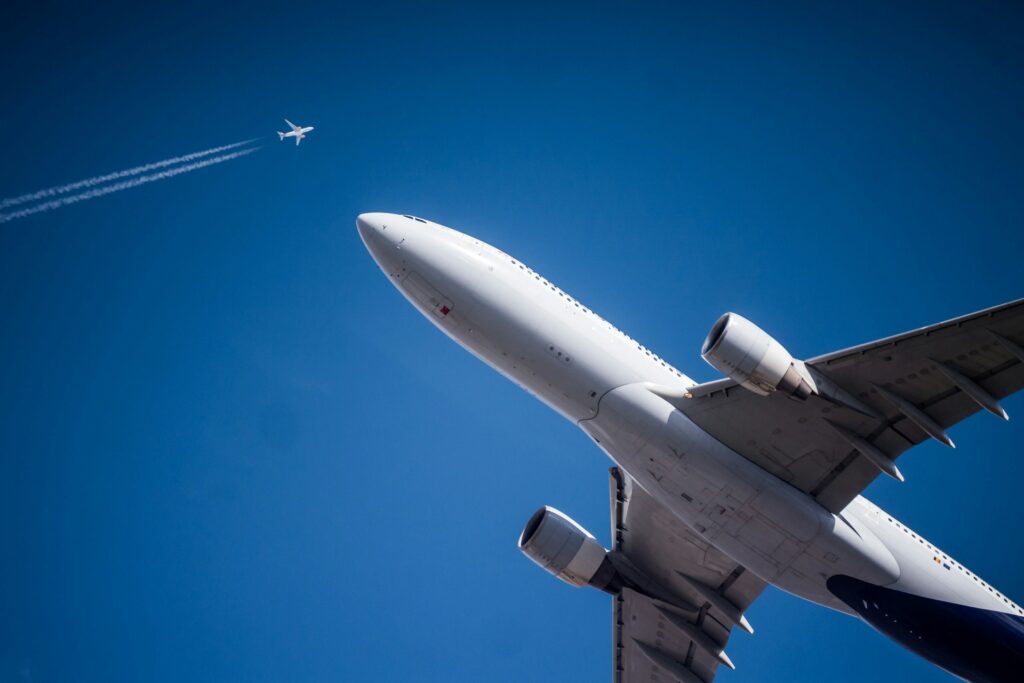
A widebody aircraft is a commercial plane with two passenger aisles running through the cabin, allowing for greater capacity and comfort on long-haul routes. These twin-aisle jets form the backbone of international air travel, connecting continents with flights that can span 15 hours or more.
From the iconic Boeing 777 to the advanced Airbus A350, widebody aircraft are designed to carry more passengers, more cargo, and fly farther than their single-aisle counterparts. This guide explains what defines a widebody aircraft, how they differ from narrowbody planes, and why airlines rely on them for global connectivity.
Contents
- 1 What Is a Widebody Aircraft?
- 2 Key Characteristics of Widebody Aircraft
- 3 Widebody vs Narrowbody Aircraft
- 4 Who Manufactures Widebody Aircraft?
- 5 Common Widebody Aircraft Models
- 6 Why Airlines Use Widebody Aircraft
- 7 The Passenger Experience on Widebody Aircraft
- 8 Retired and Historic Widebody Aircraft
- 9 Conclusion
- 10 FAQ’s
What Is a Widebody Aircraft?
A widebody aircraft is defined by its twin-aisle cabin configuration, which distinguishes it from narrowbody planes that have only a single aisle. This design allows passengers to board and move through the cabin more efficiently, while also enabling airlines to fit more seats across each row—typically seven to ten seats in economy class, compared to six or fewer on narrowbody jets.
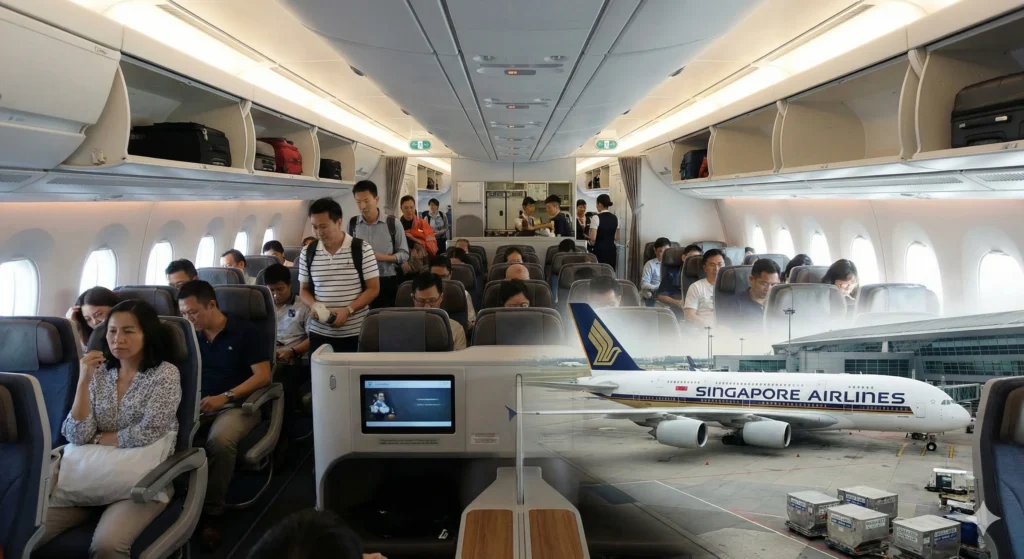
The wider fuselage of these aircraft serves multiple purposes beyond passenger comfort. It provides space for larger overhead bins, wider seats, and more spacious galleys and lavatories. Below the cabin floor, the increased width creates significantly more cargo capacity, making widebody aircraft valuable for both passenger and freight operations.
Most widebody aircraft are built for long-haul international routes, with the range to fly nonstop between distant cities like New York to Singapore or London to Sydney. Their typical passenger capacity ranges from 250 to over 400 travelers depending on the airline’s cabin configuration, though some models like the Airbus A380 can carry more than 500 passengers in high-density layouts.
The twin-aisle design also improves operational efficiency during boarding and deplaning, reducing turnaround times at airports—a critical factor for airlines managing tight schedules on intercontinental routes.
Key Characteristics of Widebody Aircraft
Widebody aircraft share several defining features that make them ideal for high-capacity, long-distance travel. Understanding these characteristics helps explain why airlines choose these aircraft for specific routes and markets.
The most recognizable feature of a widebody aircraft is its dual-aisle layout, which runs the length of the passenger cabin. This configuration typically arranges seats in a 2-4-2, 3-3-3, or 3-4-3 pattern, depending on the aircraft model and airline preference.
The twin aisles create significant operational advantages. Passengers can board from both the front and rear doors simultaneously, cutting boarding time nearly in half compared to single-aisle aircraft. During the flight, cabin crew can move more freely to serve meals and respond to passenger needs without constant disruptions.
Emergency evacuation procedures also benefit from this design, as passengers have two clear pathways to exit doors on each side of the aircraft—a critical safety consideration that aviation regulators factor into aircraft certification.
Widebody aircraft dominate international long-haul routes because they’re engineered to fly farther with heavier passenger and cargo loads. Modern widebody jets like the Airbus A350-900 can fly up to 8,100 nautical miles nonstop, enabling direct service between cities like Singapore and New York without refueling stops.
Their larger fuel tanks and advanced aerodynamics make them more fuel-efficient on long routes compared to narrowbody aircraft. While a narrowbody jet might burn less fuel per hour, widebody aircraft achieve better fuel economy per passenger per mile when operating near full capacity on flights exceeding six hours.
This efficiency comes from design features like high-bypass-ratio turbofan engines, lightweight composite materials in the fuselage and wings, and optimized wing shapes that reduce drag at high altitudes. Airlines operating ultra-long-haul routes rely exclusively on widebody aircraft because no narrowbody jet currently offers the combination of range, capacity, and economics needed for these demanding services.
The wider fuselage of these aircraft creates substantially more underfloor cargo capacity than narrowbody jets—a feature that generates significant revenue for airlines beyond ticket sales. A Boeing 787-9 can carry approximately 4,400 cubic feet of cargo in its lower holds, compared to roughly 1,500 cubic feet on a Boeing 737.
This cargo space accommodates passenger baggage, mail, and commercial freight in standardized containers and pallets. On long-haul international routes, belly cargo can contribute 10-20% of a flight’s total revenue, helping airlines maintain profitability even when passenger load factors aren’t optimal.
Some widebody aircraft, like the Boeing 777F freighter variant, are built exclusively for cargo operations with no passenger cabin at all. These dedicated freighters can carry up to 100 tons of cargo across intercontinental distances, serving global supply chains for industries ranging from e-commerce to pharmaceuticals.
Widebody aircraft typically accommodate between 250 and 400 passengers in standard three-class configurations, though this number varies significantly based on how airlines configure their cabins. A Boeing 777-300ER might carry 365 passengers with a mix of first, business, premium economy, and economy seating, while the same aircraft in an all-economy layout could exceed 450 seats.
Premium cabin classes take up considerably more space on widebody jets. A single business class seat with lie-flat capability can occupy the same floor space as three or four economy seats, which is why airlines carefully balance premium and economy seating based on their target markets and route profitability.
In comparison, narrowbody aircraft like the Boeing 737 or Airbus A320 family typically carry between 150 and 230 passengers in mixed configurations. The widebody’s capacity advantage makes it economically viable for high-demand routes where filling 300+ seats is feasible, while narrowbody jets serve thinner markets more efficiently.
Widebody vs Narrowbody Aircraft
Understanding the differences between widebody and narrowbody aircraft helps explain why airlines deploy specific aircraft types on different routes. While both serve essential roles in commercial aviation, their design philosophies and operational capabilities vary significantly.
| Feature | Widebody | Narrowbody |
|---|---|---|
| Aisles | 2 | 1 |
| Typical Capacity | 250–400+ passengers | 100–230 passengers |
| Range | Long-haul (6,000+ nm) | Short to medium-haul (up to 4,000 nm) |
| Fuselage Width | 5–6 meters | 3–4 meters |
| Typical Routes | Intercontinental | Domestic and regional |
| Examples | Boeing 777, Airbus A350, Boeing 787 | Boeing 737, Airbus A320, Boeing 757 |
Airlines choose between widebody and narrowbody aircraft based on route demand, distance, and economics. Narrowbody jets excel on shorter routes with moderate passenger demand, offering lower operating costs per flight and the flexibility to serve smaller airports with shorter runways. Their single-aisle design makes them ideal for frequencies of multiple daily flights between city pairs.
Widebody aircraft become economically advantageous when passenger demand justifies their larger capacity, or when route distance exceeds the range capabilities of narrowbody jets. A transatlantic flight from New York to London might operate profitably with 300 passengers on a widebody, whereas the same route would require multiple narrowbody flights to carry the same number of travelers—increasing crew costs, fuel burn, and airport fees.
Some airlines use widebody aircraft on high-demand short-haul routes, particularly in Asia and the Middle East, where slot-constrained airports and dense travel markets make the extra capacity valuable even without long range requirements.
Who Manufactures Widebody Aircraft?
The widebody aircraft market is dominated by Boeing and Airbus, with a few regional manufacturers serving niche markets.
Boeing

Boeing produces two widebody families: the Boeing 777 and Boeing 787 Dreamliner. The 777, in service since 1995, remains one of aviation’s most successful widebody programs. The current 777X variant features folding wingtips and advanced fuel efficiency.
The 787 Dreamliner, launched in 2011, uses composite materials for 20% better fuel efficiency than older models. It’s available in three variants: 787-8, 787-9, and 787-10.
Boeing’s retired widebody models include the iconic 747 (“Queen of the Skies”), which ended passenger production in 2022 after 50+ years, though freighter variants remain in limited production.
Airbus

Airbus offers three widebody families: the A330neo, A350, and A380. The A330-900neo balances capacity (287 passengers) with economics for medium to long-haul routes.
The A350 competes with Boeing’s 787 and 777, using composite materials and efficient engines. Singapore Airlines operates the world’s longest flight (Singapore to New York) with the A350-900ULR.
The A380, the world’s largest passenger aircraft, carries 500+ passengers but ended production in 2021. Existing A380s continue with airlines like Emirates.
Other Manufacturers
Russia’s Ilyushin produces the Il-96 for limited government and commercial use. China’s COMAC is developing the C929 to compete with the 787 and A350, though it remains in development as of early 2025.
Historically, McDonnell Douglas and Lockheed produced widebody aircraft, but both exited commercial aviation decades ago.
Common Widebody Aircraft Models
Modern airlines operate a diverse fleet of widebody aircraft, each designed for specific mission profiles and market demands. The following models represent the most commonly deployed widebody jets in commercial service today.
| Aircraft | Manufacturer | Typical Capacity | Range | First Flight |
|---|---|---|---|---|
| Boeing 777-300ER | Boeing | 365 passengers | 7,370 nm | 2003 |
| Airbus A350-900 | Airbus | 325 passengers | 8,100 nm | 2013 |
| Boeing 787-9 | Boeing | 290 passengers | 7,635 nm | 2013 |
| Airbus A330-900neo | Airbus | 287 passengers | 7,200 nm | 2017 |
| Boeing 777-200LR | Boeing | 317 passengers | 8,555 nm | 2005 |
| Airbus A350-1000 | Airbus | 369 passengers | 8,700 nm | 2016 |
| Boeing 787-10 | Boeing | 330 passengers | 6,430 nm | 2017 |
| Airbus A380-800 | Airbus | 525 passengers | 8,000 nm | 2005 |
Data source: Boeing Commercial Aircraft | Airbus Commercial Aircraft
These aircraft form the backbone of international long-haul operations worldwide. The Boeing 777-300ER remains among the most popular widebody jets, with over 800 delivered, valued for its capacity and reliability on 6-14 hour routes.
The Airbus A350 and Boeing 787 families represent the latest widebody technology, featuring composite fuselages and advanced engines that improve fuel efficiency by 20-25% while offering better passenger comfort through higher cabin humidity and larger windows.
The A330neo serves as a mid-capacity option with lower operating costs, making it attractive for leisure-focused airlines. Range varies significantly—ultra-long routes like Singapore to New York require the A350-900ULR or 777-200LR, while shorter intercontinental flights use the 787-8 or A330-900neo.
Why Airlines Use Widebody Aircraft
Airlines deploy widebody aircraft based on route distance, passenger demand, and revenue requirements.
Long-Haul International Routes
Widebody aircraft are essential for intercontinental flights exceeding narrowbody range capabilities. Routes like London to Singapore or New York to Hong Kong require aircraft capable of 12-16 hour nonstop flights with full passenger and cargo loads. The Boeing 787-9 can fly over 7,600 nautical miles nonstop, eliminating fuel stops or connections.
High-Demand Routes
Heavy traffic corridors justify widebody capacity even on shorter flights. The transatlantic market sees dozens of daily widebody services, with airlines deploying 777s and A350s where demand consistently fills 300+ seats. Dense routes like Tokyo-Osaka use widebody aircraft despite 90-minute flight times simply because passenger volume exceeds narrowbody capacity.
Premium Cabin Offerings
Widebody aircraft enable extensive premium cabin products that generate disproportionately high revenue. A single business class passenger can generate 3-5 times the revenue of an economy passenger. The spacious fuselage accommodates lie-flat business seats, first-class suites, and premium economy—products only possible on widebody aircraft.
Operational Flexibility
A single widebody flight can replace two or three narrowbody departures, reducing crew costs, airport fees, and freeing valuable airport slots. Hub airlines like Emirates and Singapore Airlines build entire network strategies around widebody connectivity. The cargo capacity also provides flexibility—during COVID-19, airlines operated widebody passenger aircraft on cargo-only flights when passenger demand collapsed.
The Passenger Experience on Widebody Aircraft
Widebody aircraft offer greater comfort and amenities compared to narrowbody jets, particularly on long-haul flights.
More Spacious Cabins
The wider fuselage creates a more open cabin atmosphere with ceiling heights reaching 7-8 feet. Larger overhead bins accommodate full-size carry-on bags more easily, while the twin-aisle configuration allows easier movement. Lavatories are larger and more numerous, reducing wait times.
Better Premium Class Options
Widebody aircraft enable fully lie-flat business class seats and first-class suites that are physically impossible on narrowbody jets. Airlines like Emirates and Singapore Airlines offer enclosed suites, beds up to 6.5 feet long, and in some cases shower facilities. Premium economy cabins with 38-40 inches of legroom exist primarily on widebody aircraft.
Quieter and Smoother Rides
Modern widebody aircraft like the Boeing 787 and Airbus A350 feature advanced noise reduction, creating cabin noise levels of 75-80 decibels versus 80-85 on older aircraft. The greater mass of widebody jets dampens turbulence more effectively, providing smoother flight characteristics through rough air.
In-Flight Amenities
Widebody aircraft support larger personal entertainment screens (13-18 inches in premium, 10-12 inches in economy) and high-speed satellite Wi-Fi. Newer models like the 787 provide improved cabin air quality through higher pressurization (6,000 feet equivalent versus 8,000 feet) and increased humidity levels of 15-16%, reducing passenger fatigue on ultra-long flights.
Retired and Historic Widebody Aircraft
Several iconic widebody aircraft have been retired from passenger service, marking distinct eras in aviation history.
Boeing 747 – The Queen of the Skies
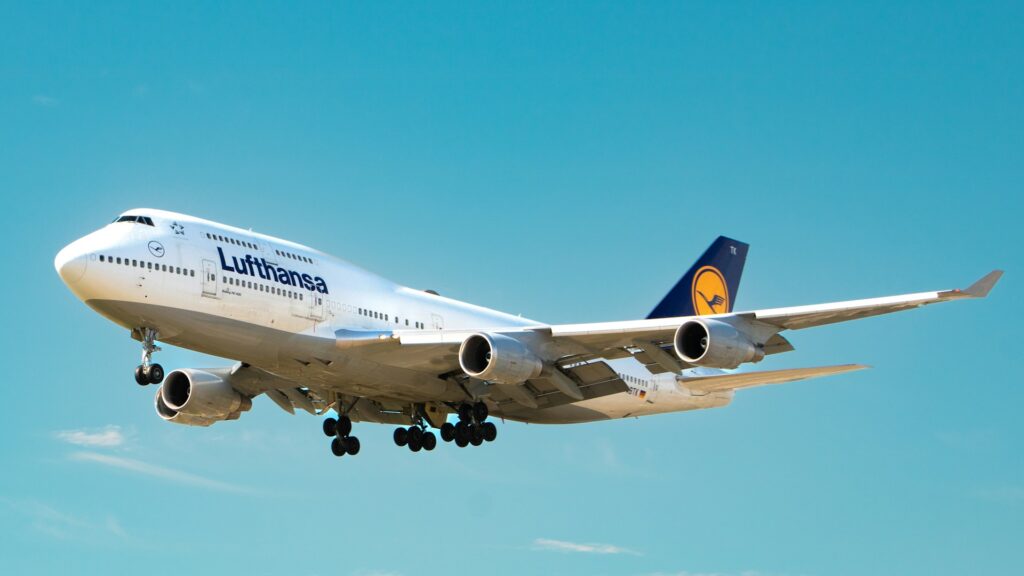
The Boeing 747 revolutionized air travel when it entered service in 1970 as the world’s first widebody jet. Its distinctive humpbacked upper deck made it instantly recognizable worldwide. Boeing delivered over 1,500 units across multiple variants, enabling affordable long-haul travel by dramatically lowering seat-mile costs. Passenger operations largely ceased between 2020-2023, though the 747-8F freighter remains in limited production.
McDonnell Douglas DC-10 and MD-11
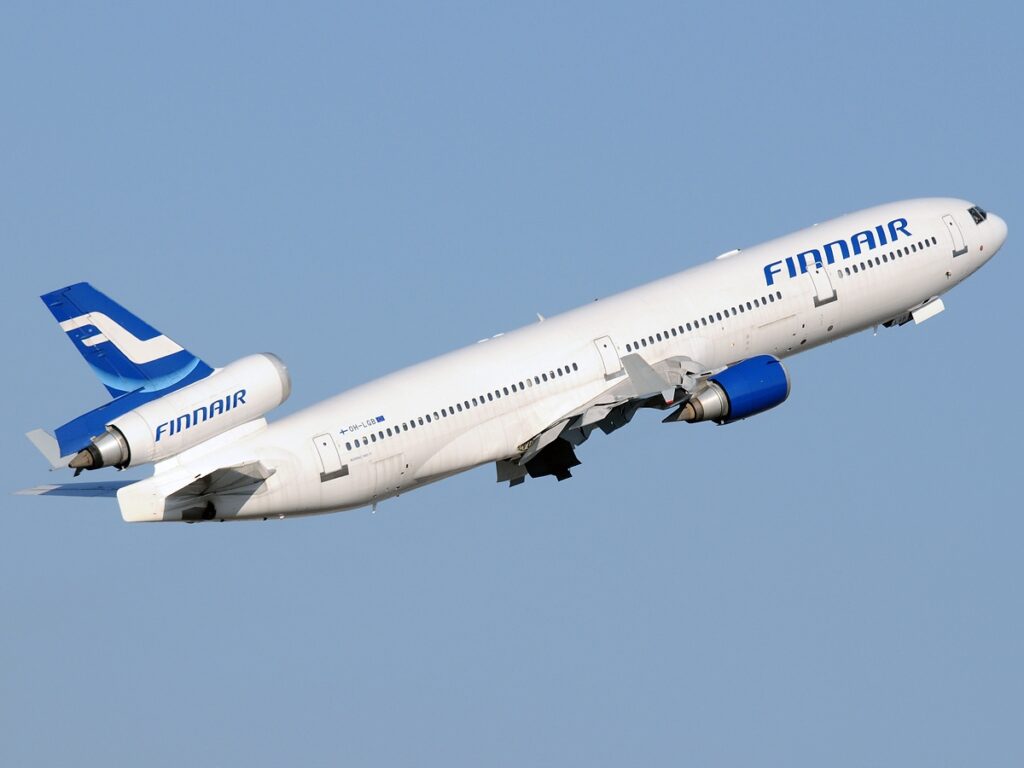
The DC-10 introduced the trijet widebody concept in 1971 with three engines—two wing-mounted and one in the tail. The MD-11, developed as an improved successor in the early 1990s, struggled against more fuel-efficient twin-engine widebodies. Only 200 MD-11s were built before production ended in 2001. Both are retired from passenger service, though some MD-11s continue as freighters.
Lockheed L-1011 TriStar
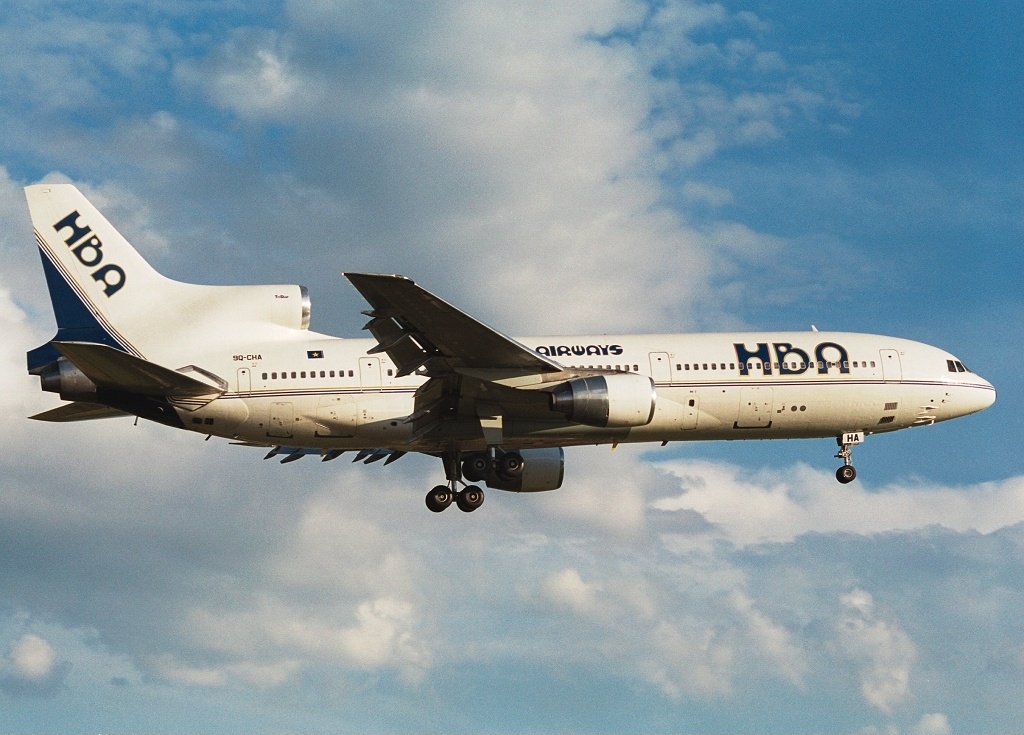
The L-1011 TriStar competed with the DC-10 when it entered service in 1972. Lockheed built 250 units, praised for advanced technology and smooth flight, but production ceased in 1984. The last passenger flights operated in the early 2000s, marking the end of Lockheed’s presence in commercial aviation.
Other Notable Retired Widebodies
The Airbus A340, a four-engine widebody produced from 1991-2011, has been largely retired as airlines favor twin-engine efficiency. Earlier models like the Ilyushin Il-86 and passenger Boeing 767 variants have mostly transitioned to cargo or retirement.
Conclusion
Widebody aircraft remain the essential workhorses of international air travel, defined by their twin-aisle design and built to connect distant cities with capacity and comfort that narrowbody jets cannot match. From the versatile Boeing 787 to the high-capacity Airbus A350, these aircraft enable airlines to operate profitable long-haul routes while offering passengers spacious cabins and premium travel options.
As global air travel continues expanding and airlines seek greater fuel efficiency, widebody aircraft will evolve with new technologies and designs, but their fundamental role in connecting continents will endure for decades to come.
FAQ’s
What is the difference between widebody and narrowbody aircraft?
Widebody aircraft have two passenger aisles, while narrowbody aircraft have one. Widebody jets typically carry 250-400+ passengers on long-haul routes, whereas narrowbody aircraft carry 100-230 passengers on shorter flights.
What is the largest widebody aircraft?
The Airbus A380 is the largest widebody aircraft, carrying over 500 passengers in typical configurations. Production ended in 2021, but existing A380s continue operating with airlines like Emirates and Singapore Airlines.
Do all widebody aircraft fly long-haul routes?
No. While designed for long-haul flights, some airlines use widebody aircraft on high-demand short routes in Asia and the Middle East where passenger volume requires the extra capacity.
Which airlines operate the most widebody aircraft?
Emirates operates one of the largest all-widebody fleets with over 250 aircraft. Other major operators include American Airlines, United Airlines, Delta Air Lines, and British Airways.
Are widebody aircraft more fuel-efficient?
Widebody aircraft are more fuel-efficient per passenger on long routes when operating near full capacity. Modern models like the Boeing 787 and Airbus A350 are 20-25% more efficient than older widebody aircraft.