
A narrowbody aircraft is an airliner with a single aisle running down the cabin and no more than six seats in each row. It is the type of plane most people fly on most often: the Airbus A320 and the Boeing 737 are both narrowbodies, and together they fly a large share of short and medium-haul routes worldwide.
This guide explains what counts as a narrowbody aircraft, how it differs from a widebody, which models are flying today, and why airlines order more of them than any other kind of airliner.
What Is a Narrowbody Aircraft?
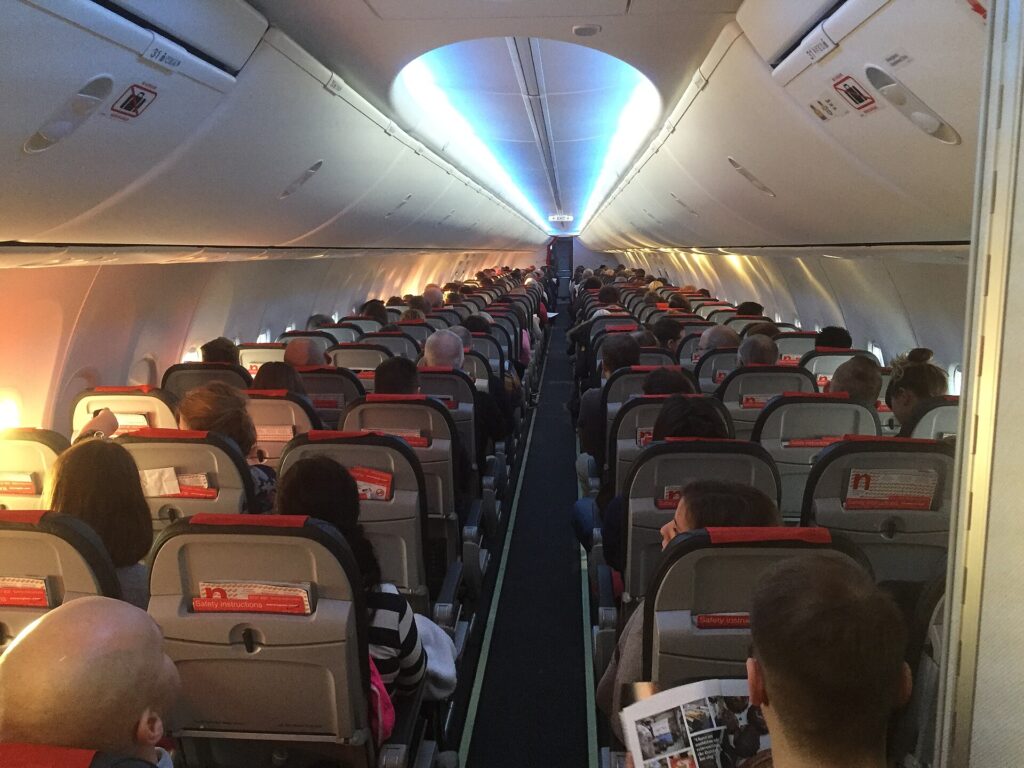
A narrowbody aircraft, also written narrow-body or called a single-aisle aircraft, is a passenger plane whose cabin is narrow enough to need only one aisle. Passengers sit on either side of that aisle, usually three and three in economy class.
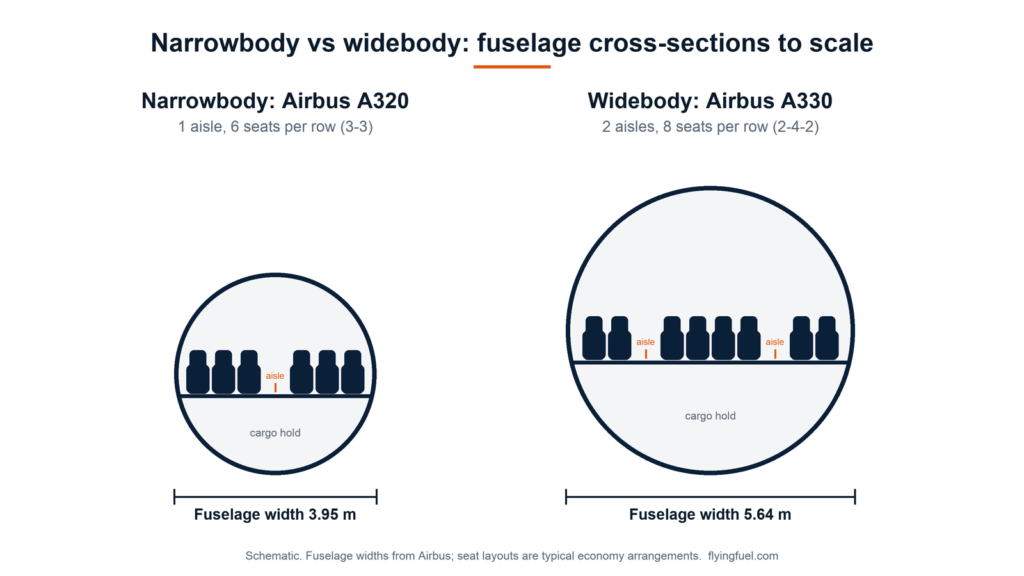
The name describes the fuselage, the main tube of the aircraft. The Airbus A320 has a cabin 3.70 m (12 ft 1 in) wide inside a fuselage 3.95 m across, according to Airbus. A twin-aisle Airbus A330, by comparison, has a fuselage 5.64 m across.
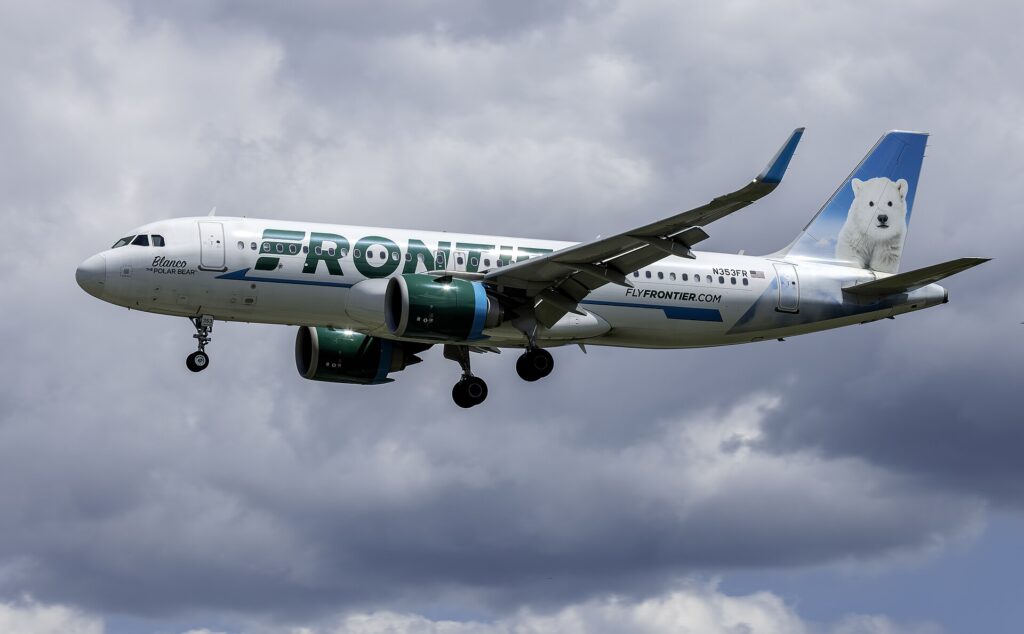
Narrowbody is the meaning behind several everyday terms. A narrow body jet, a narrow body plane and a narrow body airplane are all the same thing: a single-aisle airliner. There is no legal or regulatory definition of the word. It is an industry term, and the single aisle is what everyone agrees on.
What Is Considered a Narrowbody Aircraft?
An airliner is generally considered a narrowbody when it meets three conditions:
- One aisle. This is the defining feature. Two aisles make an aircraft a widebody.
- Up to six seats per row. Layouts range from four seats per row on smaller jets to six on the A320 and 737.
- A cabin too narrow for a second aisle. The Airbus A220 cabin is 3.28 m wide and the A320 cabin 3.70 m. A twin-aisle Airbus A330 cabin is 5.26 m wide.
Size varies a lot inside those limits. The smallest current Airbus narrowbody, the A220-100, seats up to 135 passengers. The largest, the A321neo, seats up to 244. Regional jets and turboprops also have a single aisle, but in airline and manufacturer language “narrowbody” usually means the larger single-aisle jets of roughly 100 seats and above.
Narrowbody vs Widebody Aircraft
The difference between narrow body and wide body aircraft comes down to the number of aisles, and almost everything else follows from that. A wider fuselage with two aisles holds more seats per row, more cargo under the floor and more fuel, which is why widebody aircraft fly most long-haul routes.
| Feature | Narrowbody | Widebody |
|---|---|---|
| Aisles | 1 | 2 |
| Seats per row (economy) | 4 to 6 | 7 to 10 |
| Cabin width (example) | 3.70 m on an Airbus A320 | 5.26 m on an Airbus A330 |
| Typical seats | 100 to 244 | 250 to 400+ |
| Typical routes | Short and medium-haul | Long-haul |
| Examples | Airbus A320, Boeing 737, Airbus A220 | Boeing 777, Airbus A350, Boeing 787 |
The line between the two is less sharp than it used to be. Long-range narrowbodies now fly routes that once needed a widebody, as explained further down. For a side-by-side look at two modern twin-aisle jets, see our Boeing 787-9 vs Airbus A350-900 comparison.
Types of Narrowbody Aircraft
Narrowbody aircraft types are easiest to tell apart by how many seats fit across the cabin.
Six-Abreast Narrowbodies
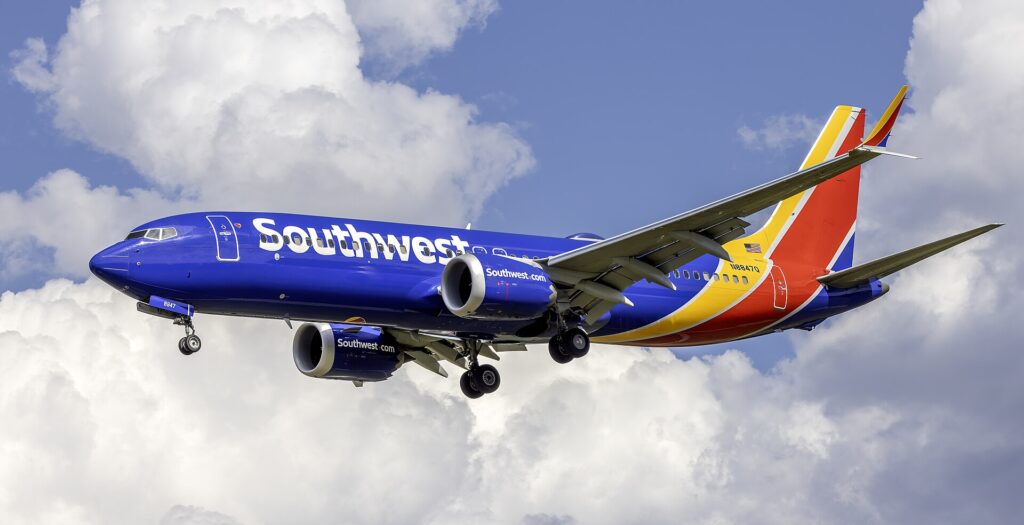
These are the mainline workhorses, with three seats on each side of the aisle. The Airbus A320 family and the Boeing 737 family dominate this group; our A320neo vs 737 MAX 8 comparison shows how their newest versions differ. The Chinese-built COMAC C919, which made its first commercial flight with China Eastern Airlines on 28 May 2023, is the newest aircraft of this size.
Five-Abreast Narrowbodies
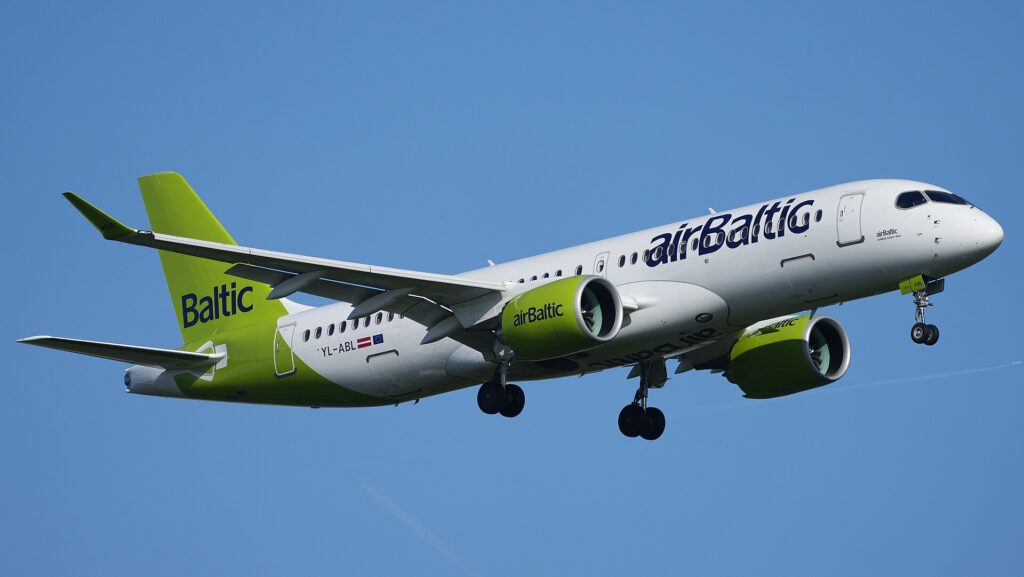
The Airbus A220 has two seats on one side of the aisle and three on the other, a layout that Airbus says puts the vast majority of passengers by a window or the aisle. It is built for the 100 to 160 seat market, below the A320 and 737.
Four-Abreast Narrowbodies
Jets such as the Embraer E-Jet E2 family seat two passengers on each side of the aisle, so there is no middle seat at all. The largest, the E195-E2, seats up to 146 passengers, according to Embraer. These jets sit at the border between regional jets and mainline narrowbodies.
Narrowbody Aircraft List: Models in Production
The table below lists the Airbus and Boeing narrowbody aircraft offered today, with the figures each manufacturer publishes. Seat counts are maximums; airlines usually fit fewer seats. Range is given in nautical miles (1 nm = 1.852 km).
| Aircraft | Seats per row | Maximum seats | Range (nm) |
|---|---|---|---|
| Airbus A220-100 | 5 | 135 | 3,600 |
| Airbus A220-300 | 5 | 160 | 3,400 |
| Airbus A319neo | 6 | 160 | 3,700 |
| Airbus A320neo | 6 | 194 | 3,400 |
| Airbus A321neo | 6 | 244 | 4,000 |
| Airbus A321XLR | 6 | 244 | 4,700 |
| Boeing 737-7 | 6 | 172 | 3,800 |
| Boeing 737-8 | 6 | 210 | 3,500 |
| Boeing 737-9 | 6 | 220 | 3,300 |
| Boeing 737-10 | 6 | 230 | 3,100 |
Sources: Airbus and Boeing published specifications, checked in October 2026.
In a typical two-class layout the numbers are lower. Airbus lists the A320neo at 150 to 180 seats, and Boeing lists the 737-8 at 160 to 180.
Narrowbody Aircraft No Longer in Production
Many well-known narrowbodies are no longer built, although some are still flying.
- Boeing 757. Boeing built 1,050 of them, and the last one left the factory in October 2004. The stretched 757-300, at 178 ft 7 in (54.4 m), is the longest single-aisle twinjet ever produced, and Boeing lists it with up to 280 seats in a high-density layout.
- Boeing 707. Boeing’s first jet airliner, which entered airline service in 1958, was a six-abreast narrowbody.
- Boeing 727. A three-engine narrowbody that was a mainstay of airline fleets from the 1960s to the 1980s.
- McDonnell Douglas DC-9 and MD-80. Five-abreast narrowbodies with engines mounted at the rear of the fuselage.

What Is a Narrowbody Flight Like?
A narrowbody flight is simply a flight operated by a single-aisle aircraft. If you have flown a domestic or regional route, you have almost certainly been on one. A few things are common to nearly all of them:
- Three-and-three seating in economy on the A320 and 737, so one seat in three is a middle seat.
- One aisle for everyone. Every passenger boards and leaves through the same aisle, and the service trolley can block the way to the lavatory.
- Shorter flights. Narrowbodies mostly fly short and medium-haul routes.
- Smaller airports and more frequent departures. Narrowbodies are cheaper to operate per trip, so airlines can offer several flights a day on routes that would not fill a widebody.
Why Airlines Rely on Narrowbody Aircraft
Narrowbodies are the largest part of the airline business by a wide margin. In its 2026 Commercial Market Outlook, Boeing forecasts 43,625 new commercial airplane deliveries between 2026 and 2045, of which 33,545 are single-aisle aircraft. That is about 77 percent of the total.
The reasons are practical. Most air travel is short: a narrowbody matches the number of passengers on a typical route, burns less fuel per trip than a larger aircraft, and can be turned around quickly at the gate. Some airlines build their whole operation around one type: Southwest Airlines, for example, flies only the Boeing 737, which keeps pilot training and maintenance simple.
The two leading families are closely matched. In October 2025 the Airbus A320 family overtook the Boeing 737 as the most-delivered jet airliner in history, with more than 12,200 delivered, according to Cirium fleet data reported by AirlineGeeks.
Can Narrowbody Aircraft Fly Long-Haul?
Increasingly, yes. The Airbus A321XLR has a range of 4,700 nautical miles (8,700 km) and can fly for up to 11 hours, according to Airbus. Iberia became the launch operator when it took delivery of the first aircraft on 30 October 2024, and it began flying the type between Madrid and Boston the following month.
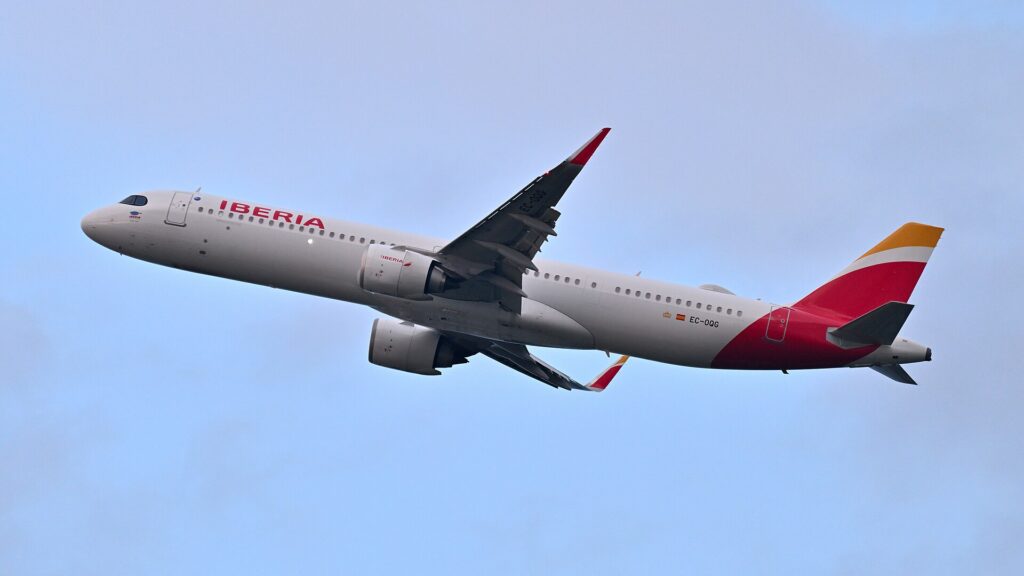
This lets airlines open long routes between smaller cities that could not fill a twin-aisle jet. Because these flights cross oceans on two engines, they operate under ETOPS rules, the same framework that governs long over-water flights by twin-engine widebodies.
The trade-off is comfort. An 11-hour flight in a single-aisle cabin means one aisle for everyone and less room to walk around than on a twin-aisle jet.
Key Takeaways
- A narrowbody aircraft has one aisle and up to six seats per row.
- The Airbus A320 family and Boeing 737 are the most common narrowbodies; the Airbus A220 and COMAC C919 are newer alternatives.
- Current models seat between about 100 and 244 passengers and fly up to 4,700 nautical miles.
- Boeing expects about three in four new airliners delivered over the next 20 years to be narrowbodies.
- The longest single-aisle twinjet ever built is the Boeing 757-300, which seats up to 280 passengers.
Frequently Asked Questions
What does narrow body aircraft mean?
Narrow body means the aircraft has a cabin narrow enough to need only one aisle. Seats sit on either side of that aisle, with no more than six seats in a row. The same aircraft are also called single-aisle aircraft.
What is a narrow body jet?
A narrow body jet is a jet-powered airliner with a single aisle. The Airbus A320 family and the Boeing 737 are the two most common examples.
What is a narrow body flight?
A narrow body flight is any flight operated by a single-aisle aircraft. Most are short or medium-haul flights, although long-range models such as the Airbus A321XLR can stay in the air for up to 11 hours.
What is considered a narrow body plane?
A plane is considered narrow body when it has one passenger aisle and no more than six seats per row. That covers aircraft from the Airbus A220-100, which seats up to 135, to the 244-seat Airbus A321neo.
Is the Boeing 737 a narrow body aircraft?
Yes. Every version of the Boeing 737 is a narrow body aircraft with one aisle and six seats per row in economy class. The current 737 MAX family seats up to 230 passengers in its largest version, the 737-10.
What is the largest narrow body aircraft?
The Boeing 757-300 is the longest single-aisle twinjet ever produced, and Boeing lists it with up to 280 seats. Among aircraft still in production, the Airbus A321neo and A321XLR are the largest, with up to 244 seats.
What is the difference between narrow body and wide body aircraft?
A narrow body aircraft has one aisle and up to six seats per row. A wide body aircraft has two aisles and at least seven seats per row. Wide body aircraft carry more passengers and cargo and are mostly used on long-haul routes.
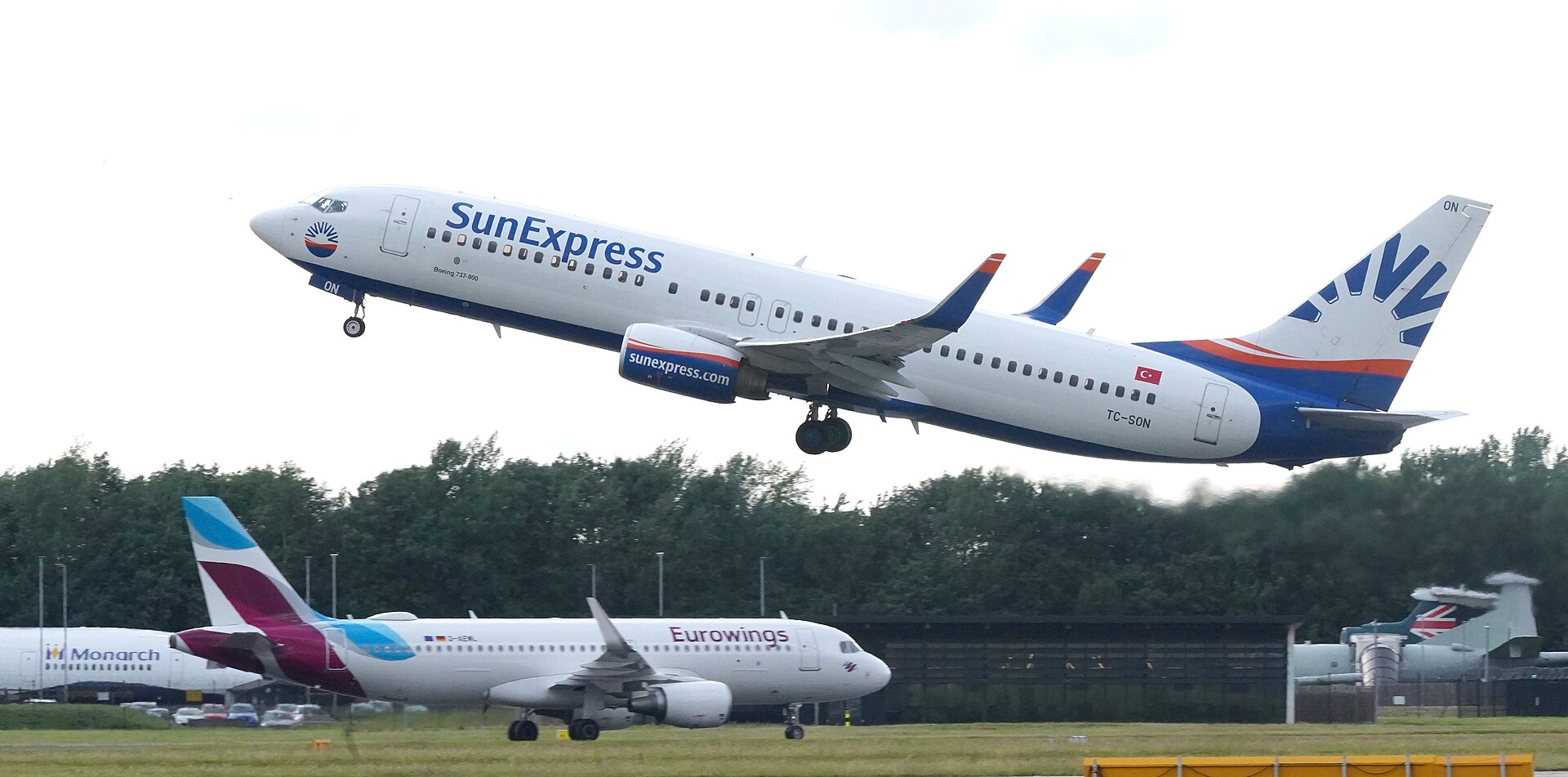
Featured image: A SunExpress Boeing 737-800 and a Eurowings Airbus A320 at Manchester Airport. Photo: Steve Knight, CC BY 2.0, via Wikimedia Commons.