
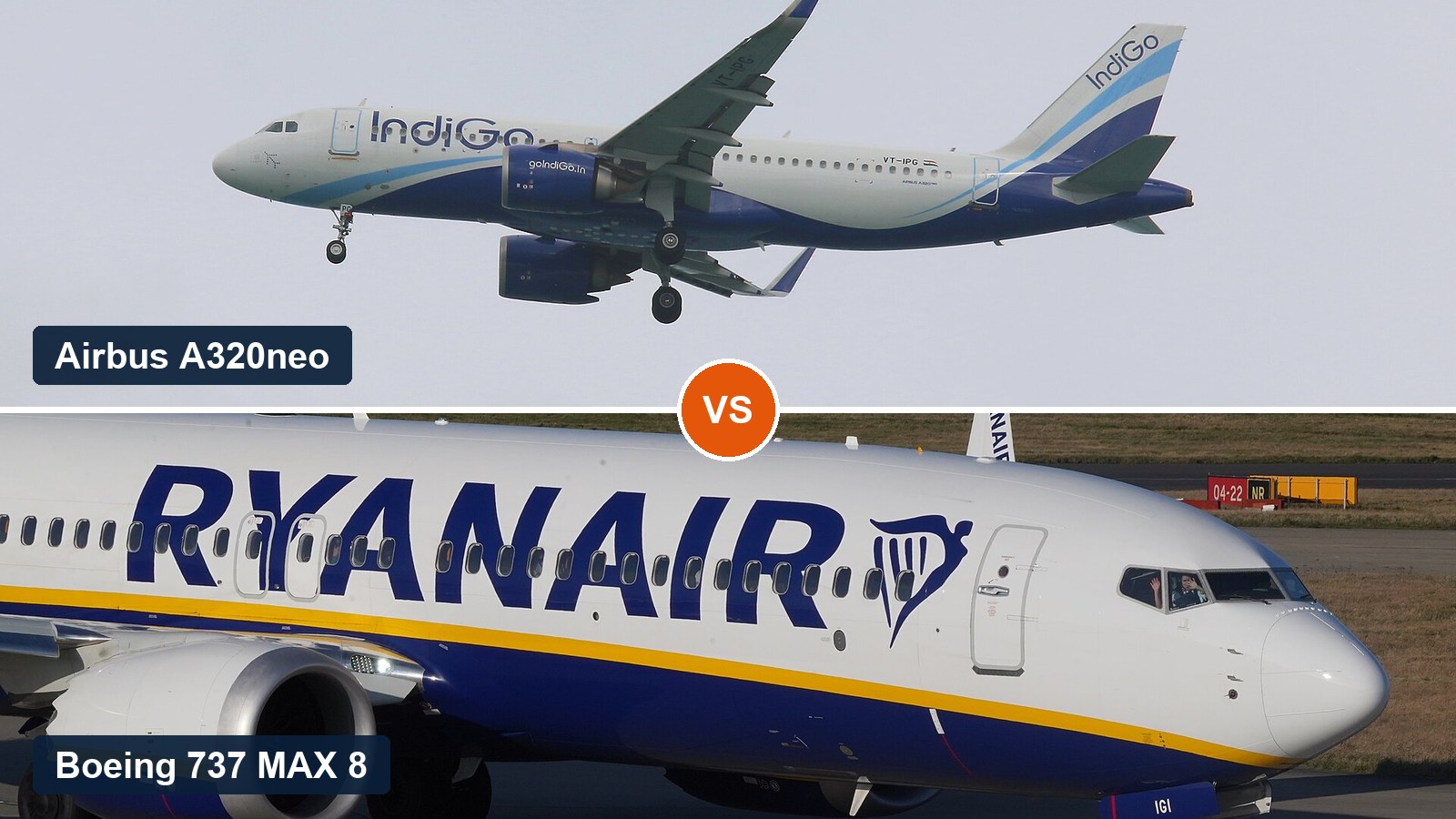
The Airbus A320neo and the Boeing 737 MAX 8 are the two aircraft most likely to be at the gate on a short or medium-haul flight. They are direct rivals: similar in size, similar in range, and both built around new engines that burn about 20 percent less fuel than the aircraft they replaced.
The short version: the 737 MAX 8 is slightly longer, seats a few more passengers and flies a little farther. The A320neo has a wider cabin, a choice of two engines and a much larger order book for its family. This comparison goes through size, range, engines, fuel efficiency, orders, price and safety, using the figures each manufacturer publishes.
A320neo vs 737 MAX 8 at a Glance
| Specification | Airbus A320neo | Boeing 737 MAX 8 |
|---|---|---|
| First delivery | January 2016 (Lufthansa) | May 2017 (Malindo Air) |
| Length | 37.57 m (123 ft 3 in) | 39.5 m (129 ft 6 in) |
| Wingspan | 35.80 m (117 ft 5 in) | 35.9 m (117 ft 10 in) |
| Height | 11.76 m (38 ft 7 in) | 12.3 m (40 ft 4 in) |
| Typical seats (two-class) | 150 to 180 | 160 to 180 |
| Maximum seats | 194 | 210 |
| Range | 3,400 nm (6,300 km) | 3,500 nm (6,480 km) |
| Maximum take-off weight | 79.0 tonnes | 82.6 tonnes |
| Fuel capacity | 26,730 litres | 25,816 litres |
| Engines | CFM LEAP-1A or Pratt & Whitney GTF | CFM LEAP-1B |
| Seats per row (economy) | 6 (3-3) | 6 (3-3) |
Sources: Airbus and Boeing product specifications, and Boeing’s 737 MAX airport planning document, checked in October 2026. Boeing’s official name for the 737 MAX 8 is the 737-8.
Size and Seating
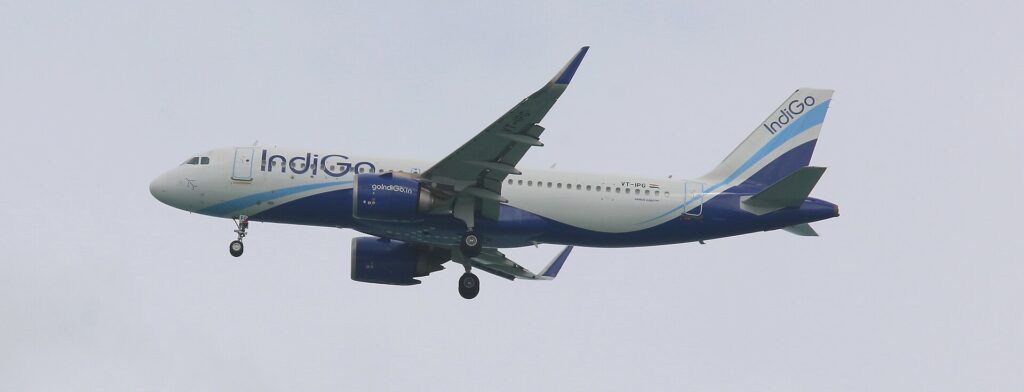
The 737 MAX 8 is the longer aircraft by about 1.9 metres, and that extra length shows up in the seat count. Boeing lists the 737-8 with 160 to 180 seats in two classes and a maximum of 210. Airbus lists the A320neo with 150 to 180 seats in two classes and a maximum of 194.
The wingspans are almost identical, at 35.80 m for the A320neo and 35.9 m for the 737 MAX 8, so the two fit the same size of airport gate. Both are narrowbody aircraft with a single aisle and six seats per row in economy.
Cabin Width and Passenger Comfort
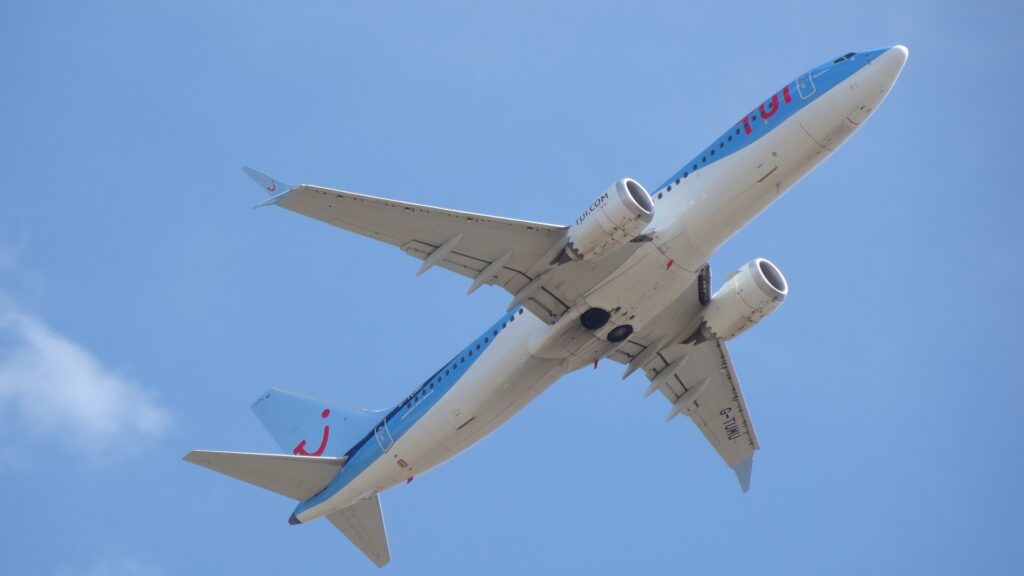
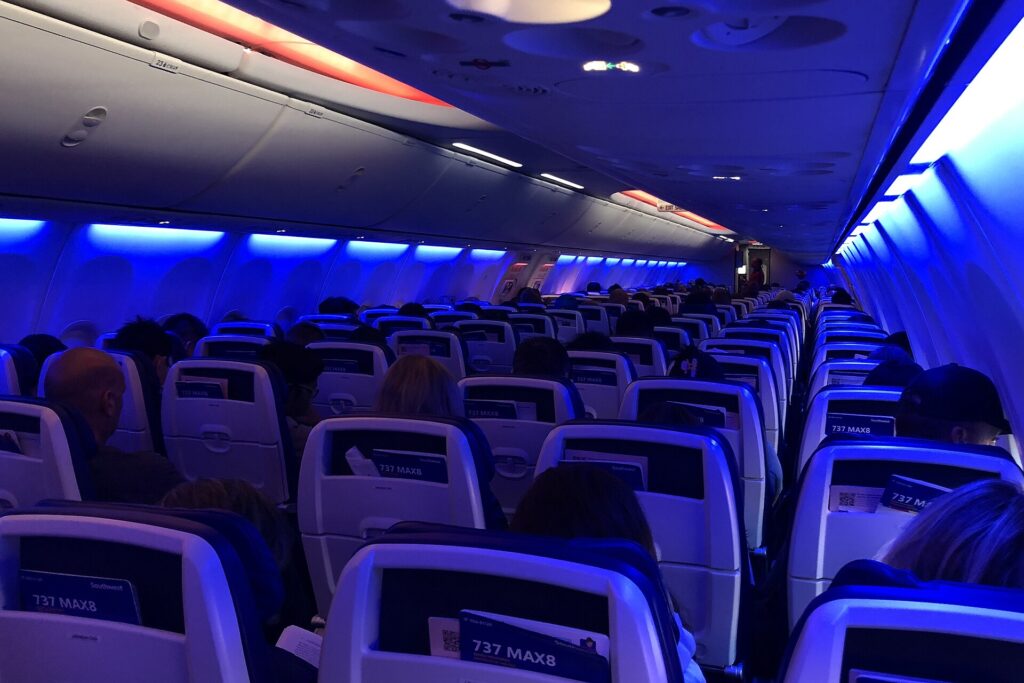
This is where the A320neo has a measurable advantage. Its cabin is 3.70 m (12 ft 1 in) wide inside a fuselage 3.95 m across, and Airbus says in its A320 Family facts and figures that the A320 fuselage is 7 inches wider than the 737. Spread across six seats and an aisle, that is roughly an inch per seat, which airlines can use for wider seats or a wider aisle.
In practice, the comfort of a flight depends far more on the airline than on the aircraft. Seat pitch, seat padding, the number of seats fitted and whether there is a screen or a power socket are all the airline’s choices, and the same aircraft type can feel very different from one carrier to another.
Range and Performance
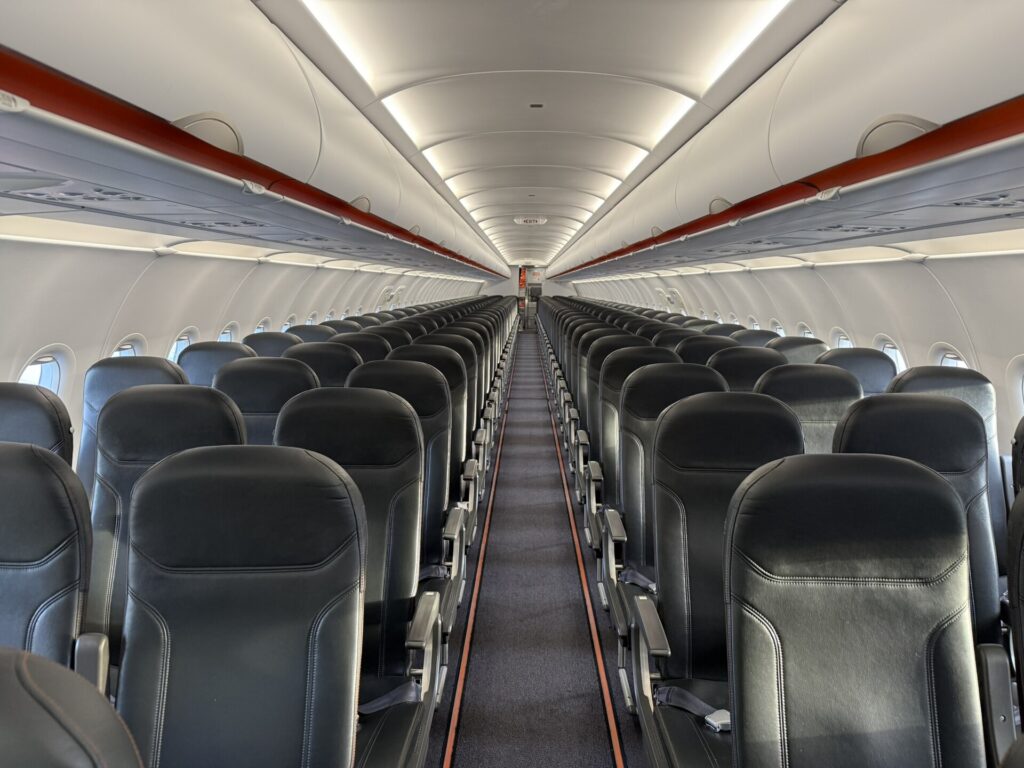
The two aircraft are closely matched on range. Boeing lists the 737-8 at up to 3,500 nautical miles (6,480 km) and Airbus lists the A320neo at up to 3,400 nautical miles (6,300 km). Either is enough for a transcontinental flight across the United States, or for a flight from London to the eastern Mediterranean or from Delhi to Singapore.
The 737 MAX 8 is the heavier aircraft, with a maximum take-off weight of 82.6 tonnes against 79.0 tonnes for the A320neo. The A320neo carries slightly more fuel: 26,730 litres against 25,816 litres. Published range figures assume a specific passenger load and reserve fuel, so real-world range varies with how each airline configures and loads the aircraft.
Airlines that want more range in this size class usually step up to a larger model such as the Airbus A321XLR, which is covered in our guide to narrowbody aircraft.
Engines and Fuel Efficiency
New engines are the reason both aircraft exist. “neo” stands for new engine option, and the 737 MAX is likewise a re-engined version of the earlier 737.
- A320neo: a choice of two engines, the CFM International LEAP-1A or the Pratt & Whitney GTF.
- 737 MAX 8: one engine, the CFM International LEAP-1B.
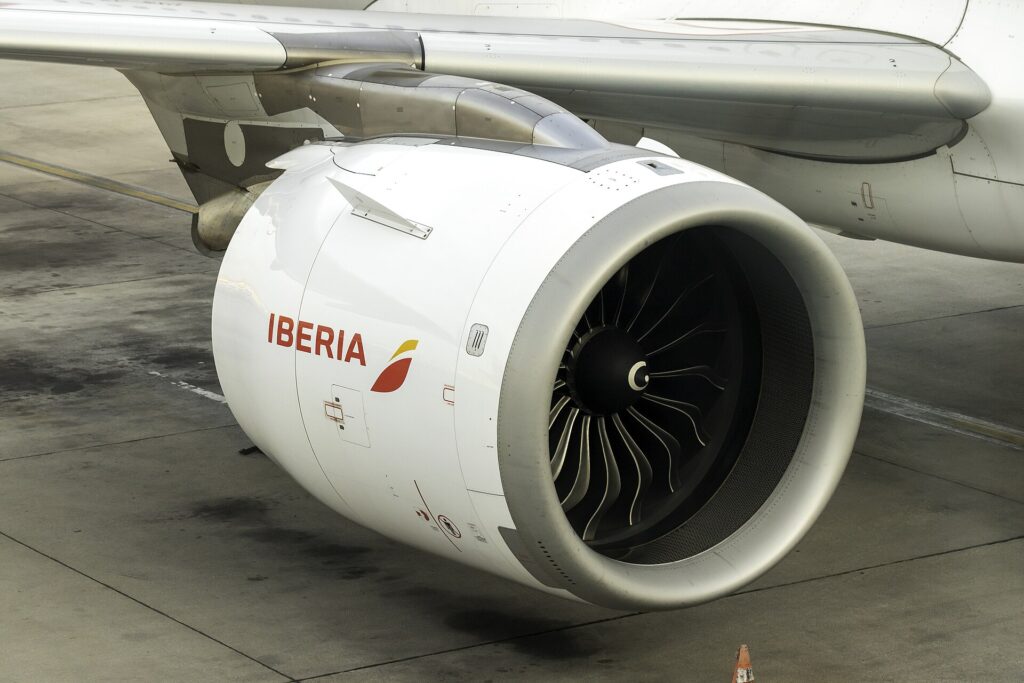
On fuel burn, the two manufacturers make the same headline claim. Airbus says the A320neo delivers at least 20 percent lower fuel burn and CO2 emissions per seat than the previous-generation A320. Boeing says the 737 MAX family brings a 20 percent reduction in fuel use and CO2 emissions. Each figure compares the aircraft with its own predecessor, not with its rival, and neither manufacturer publishes a direct head-to-head number.
Both also claim a much smaller noise footprint: Boeing says the 737-8 has a 50 percent smaller noise footprint than the 737-800, and Airbus claims a 50 percent noise footprint reduction for the A320neo against the previous generation.
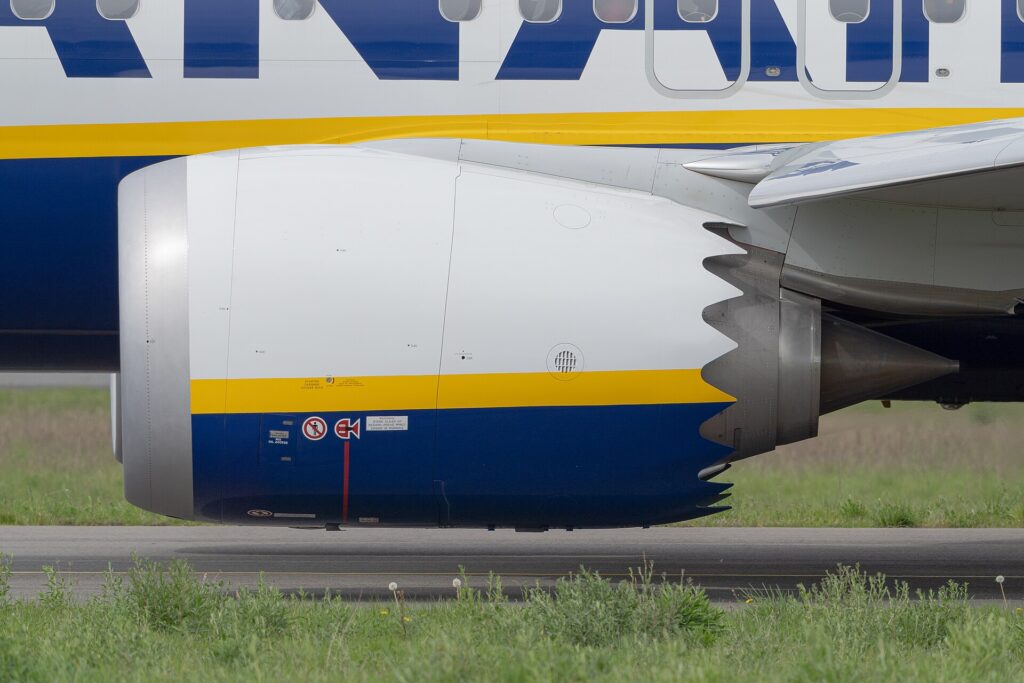
The two LEAP engines are related but not interchangeable. The LEAP-1A on the A320neo has a 78-inch fan, while the LEAP-1B on the 737 MAX has a smaller fan of about 69 inches, according to engine maker CFM International and its co-owner Safran. The 737 sits lower to the ground than the A320, which limits the size of engine that fits under its wing.
Cockpit and Flight Controls
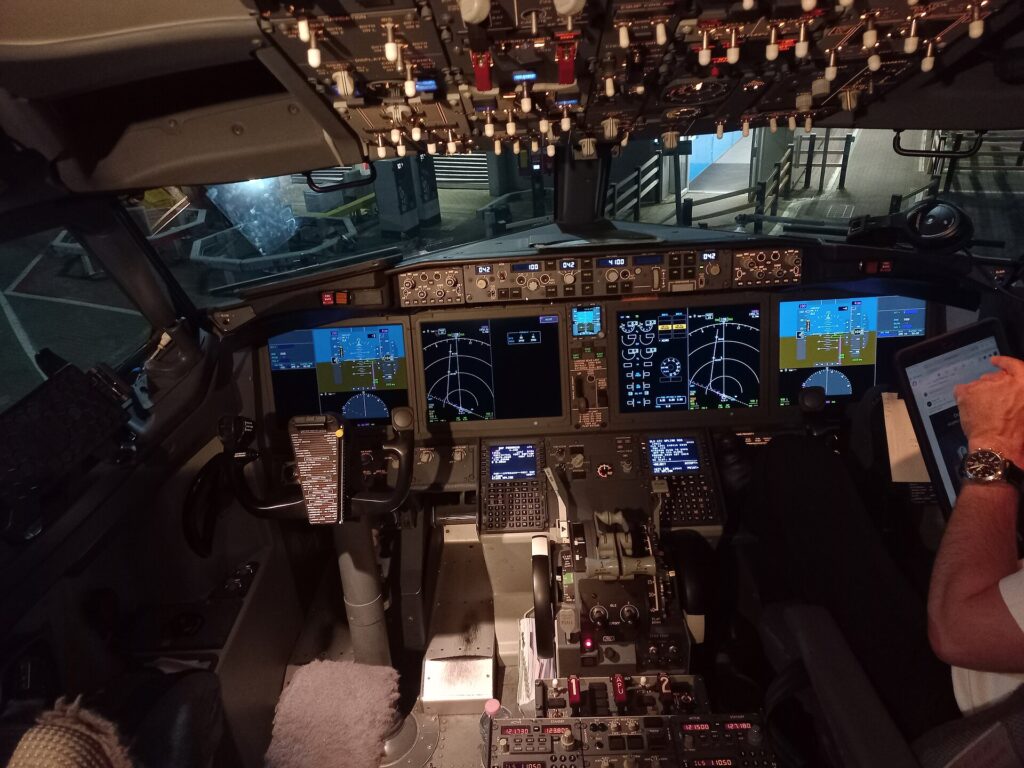
The biggest difference for pilots is how the aircraft is flown. The A320 is a fly-by-wire aircraft controlled with a sidestick beside each pilot. Airbus says all A320 Family aircraft share the same fly-by-wire flight controls, which lets pilots move between the A319, A320 and A321 with little extra training.
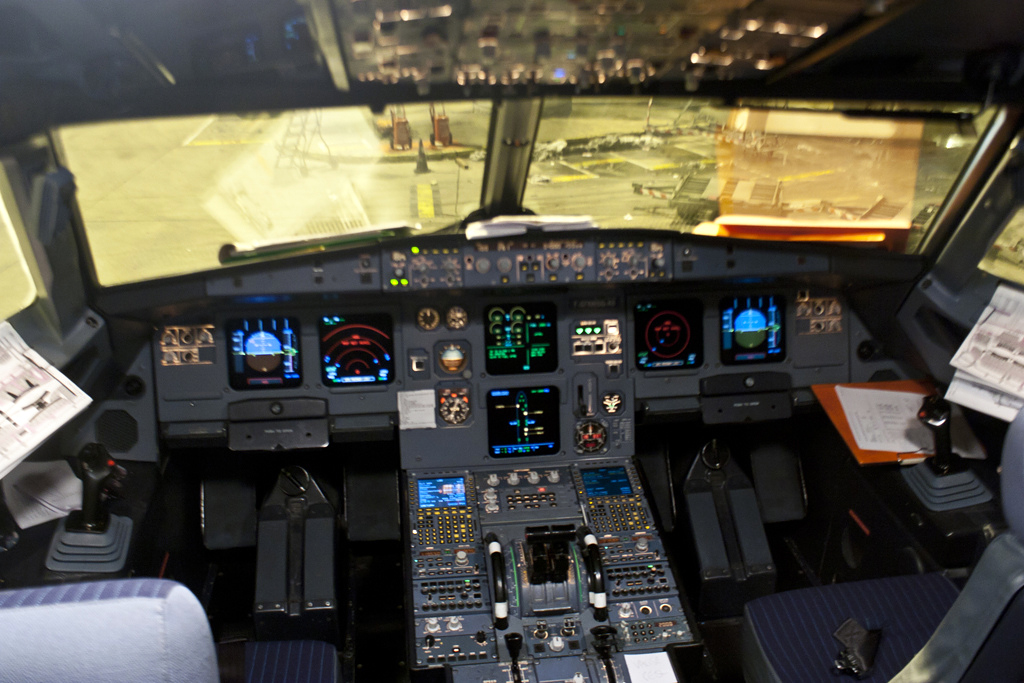
The 737 MAX keeps the control yoke in front of each pilot, as on earlier 737s, combined with large flat-panel displays. Keeping the flight deck close to the previous 737 was a deliberate choice: it allows airlines with existing 737 fleets to move their pilots to the MAX more easily.
How to Tell Them Apart
From the terminal window, three details separate the two types:
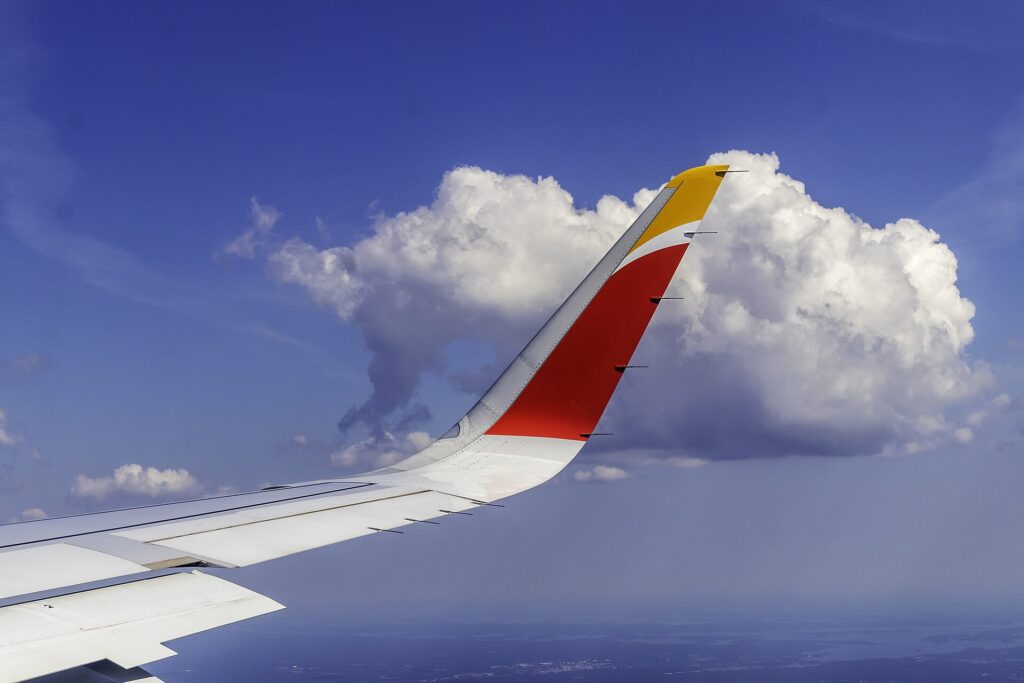
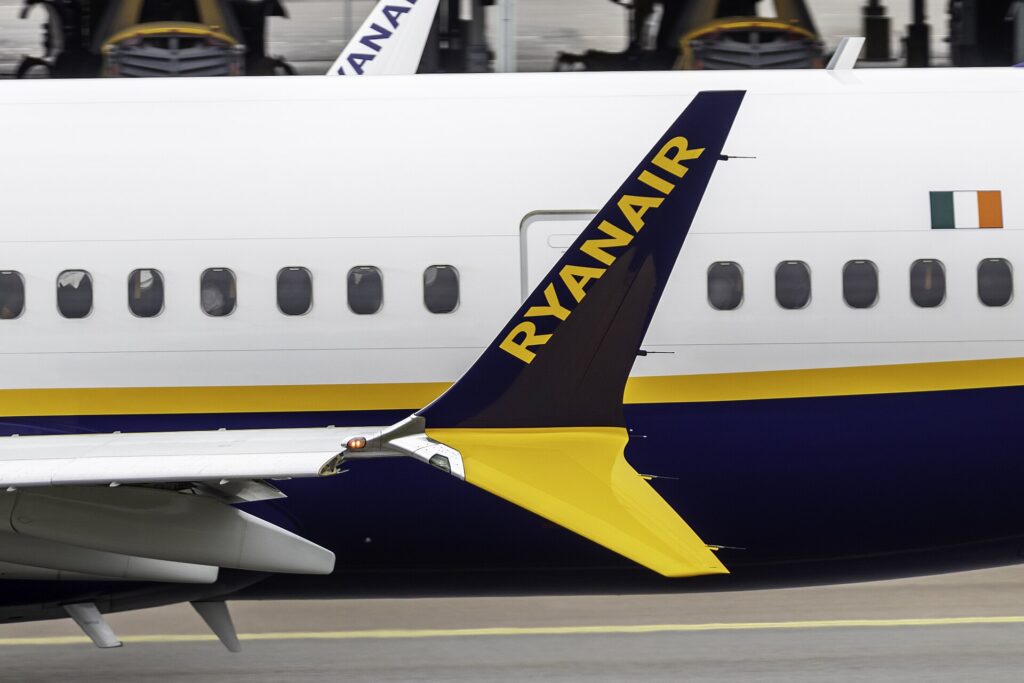
- Wingtips. The A320neo has a single tall, upswept Sharklet. The 737 MAX has a split-tip winglet with one blade pointing up and a smaller one pointing down.
- Engines. The rear edge of the 737 MAX engine casing is serrated. The A320neo engine casing has a smooth edge.
- Nose and windows. The 737 has a more pointed nose and cockpit side windows that angle downwards in a V shape. The A320 has a rounder nose.
Orders and Deliveries
On sales, Airbus is well ahead. Its A320 Family facts and figures lists 12,063 orders for the A320neo Family from 153 customers at the end of May 2026, with 4,508 delivered. That total covers the A319neo, A320neo and A321neo together, and Airbus notes that around 72 percent of the A320 Family backlog is now for the larger A321neo.
Boeing said in August 2026 that the 737 MAX family order book stands at more than 7,200 aircraft, with more than 2,300 delivered through the end of June 2026. That figure also covers the whole family: the 737-7, 737-8, 737-9 and 737-10.
Neither manufacturer breaks out a simple running total for just the A320neo against just the 737 MAX 8 in those summaries, so a like-for-like sales comparison of the two exact models is not possible from them. What the family totals show is that Airbus has sold roughly five aircraft for every three sold by Boeing in this generation.
The A320neo reached airlines first. Lufthansa took delivery of the first A320neo in January 2016. Malindo Air of Malaysia received the first 737 MAX 8 in May 2017.
Price
Neither aircraft has a current public price. Airbus has not published list prices since 2018; its last published price list put the A320neo at US$110.6 million. Boeing does not publish a current list price for the 737 MAX 8.
List prices are a starting point for negotiation rather than what airlines pay. The actual price of an order depends on its size, timing, engine choice and the support package, and it is not disclosed.
Safety
Both aircraft are certified by the US Federal Aviation Administration (FAA) and the European Union Aviation Safety Agency (EASA), and both carry very large numbers of passengers every day. Their histories are different, though, and the difference is the question readers ask most often.
Boeing 737 MAX
Two 737 MAX 8 aircraft crashed within five months of each other: Lion Air Flight 610 in October 2018 and Ethiopian Airlines Flight 302 in March 2019. Together the accidents killed 346 people, according to the FAA. Both were linked to an automated flight control feature called the Maneuvering Characteristics Augmentation System (MCAS).
The FAA grounded the 737 MAX on 13 March 2019. It lifted the order on 18 November 2020, after requiring new flight control software, changes to the display system and new pilot training, including simulator training.
In January 2024 a door plug separated in flight from an Alaska Airlines 737-9, a different and longer MAX variant. Nobody was killed. The National Transportation Safety Board found that the probable cause was Boeing’s failure to provide adequate training, guidance and oversight in its factory, which allowed the aircraft to be delivered without the bolts that secure the plug.
Airbus A320neo
The A320neo has had two widely reported safety actions. In 2023 Pratt & Whitney found a rare defect in powder metal used in parts of the GTF engine, which required accelerated inspections and took many A320neo Family aircraft out of service for long periods while engines were checked.
In November 2025 Airbus asked airlines to take immediate precautionary action on A320 Family aircraft after finding that intense solar radiation could corrupt data used by the flight controls. Around 6,000 aircraft were affected, and Airbus said that the vast majority had received the fix within days.
Airbus reports that the A320neo Family had logged more than 44 million flight hours by May 2026. Boeing says more than one million passengers fly on a 737 MAX every day. Both types remain in daily service with airlines around the world under the oversight of those regulators.
737-800 vs 737 MAX 8: What Changed
The 737 MAX 8 replaces the 737-800, the best-known member of the previous 737 Next Generation family. The fuselage is the same length, but several things changed:
- Engines. CFM LEAP-1B engines replace the older CFM56.
- Winglets. New split-tip winglets replace the earlier blended design.
- Fuel and noise. Boeing says the MAX uses 20 percent less fuel, and that the 737-8 has a 50 percent smaller noise footprint than the 737-800.
- Seats. Boeing lists the 737-800 at 162 seats in two classes and 189 at maximum density, against 178 and 210 for the 737-8.
- Flight deck. Larger displays replace the smaller screens of the 737-800.
The equivalent step at Airbus is from the original A320, now called the A320ceo, to the A320neo: new engines and Sharklets on an otherwise familiar aircraft.
A320neo vs 737-800
Many people also compare the A320neo with the older 737-800. The two are a generation apart. The 737-800 uses older CFM56 engines, while the A320neo has a choice of CFM LEAP-1A or Pratt & Whitney GTF engines. Boeing lists the 737-800 at 162 seats in two classes and 189 at maximum, while the A320neo seats up to 194. The fair modern comparison for the A320neo is the 737 MAX 8, which is the 737-800’s replacement and the main subject of this article.
What About the 737 MAX 9 and the A321neo?
The 737 MAX 9 is a stretched version of the MAX 8, at 42.1 m long with 175 to 195 seats in two classes and a maximum of 220. That puts it between the A320neo and the larger Airbus A321neo, which seats 180 to 220 in two classes and up to 244. In practice the MAX 9 and the still larger MAX 10, which Boeing was still working to certify in August 2026, compete with the A321neo, while the MAX 8 is the direct rival of the A320neo.
Which Is Better?
There is no outright winner, and the gap between the two is small enough that airlines rarely choose on performance alone.
- For passengers, the A320neo cabin is slightly wider, but the airline’s seat choice matters far more than the aircraft type.
- For airlines, the 737 MAX 8 offers more seats and a little more range, while the A320neo offers a choice of engines and a family that extends up to the long-range A321XLR.
- For fleets, the deciding factor is usually what an airline already flies. Staying with one manufacturer avoids retraining pilots and engineers.
That is why both aircraft continue to sell in the thousands. For a look at how the same rivalry plays out among long-haul jets, see our comparison of the Boeing 787-9 vs Airbus A350-900, or start with our guide to widebody aircraft.
Frequently Asked Questions
Is the A320neo better than the 737 MAX?
Neither is better in every respect. The A320neo has a slightly wider cabin and a choice of two engine types. The 737 MAX 8 is a little longer, seats more passengers at maximum density and has slightly more range. Airlines mostly choose on fleet commonality, price and delivery dates.
Which is bigger, the A320neo or the 737 MAX 8?
The 737 MAX 8 is longer, at 39.5 m against 37.57 m, and seats up to 210 passengers against 194. The A320neo has the wider fuselage: Airbus says it is 7 inches wider than the 737.
Which has more range, the A320neo or the 737 MAX 8?
They are almost equal. Boeing lists the 737-8 at up to 3,500 nautical miles (6,480 km), and Airbus lists the A320neo at up to 3,400 nautical miles (6,300 km).
Is the A320neo safe?
Yes. The A320neo is certified by both the European Union Aviation Safety Agency and the US Federal Aviation Administration, and the A320neo Family had flown more than 44 million flight hours by May 2026, according to Airbus. Like any airliner it has been subject to safety directives, including engine inspections from 2023 and a precautionary software fix in late 2025.
Is the 737 MAX 8 safe now?
The 737 MAX was grounded worldwide in March 2019 after two fatal crashes. The FAA cleared it to fly again in November 2020 after Boeing changed the flight control software and pilots completed new training. Boeing says more than one million passengers now fly on a 737 MAX every day.
What is the difference between the 737-800 and the 737 MAX 8?
The 737 MAX 8 is the successor to the 737-800. It has the same fuselage length but new CFM LEAP-1B engines, new split-tip winglets and updated flight deck displays. Boeing says the changes cut fuel use and CO2 emissions by 20 percent.
Which has more orders, the A320neo or the 737 MAX?
The A320neo Family has more. Airbus counted 12,063 orders for the A320neo Family at the end of May 2026, while Boeing said the 737 MAX order book stood at more than 7,200 aircraft in August 2026. Both figures cover every variant in the family, not only the A320neo and the 737 MAX 8.
Which Indian airlines fly the A320neo and the 737 MAX 8?
IndiGo flies mostly A320neo-family aircraft, and Air India also flies the A320neo. Akasa Air flies only Boeing 737 MAX aircraft, including the 737-8 and the higher-capacity 737-8-200, and Air India Express and SpiceJet also fly the 737 MAX 8. Fleets change, so check the aircraft type on your booking.
How can I check if my flight is an A320neo or a 737 MAX?
The aircraft type is usually shown when you book, in the airline’s app or on the seat map. Flight-tracking sites such as Flightradar24 also show the aircraft planned for a flight number. Airlines can swap aircraft at short notice, so check again close to departure. On board, the safety card in the seat pocket names the aircraft type.
Which is more comfortable for passengers, the A320neo or the 737 MAX 8?
The A320neo cabin is a little wider (Airbus says 7 inches wider than the 737), which can mean slightly wider seats or a wider aisle. In practice, legroom, seat width and recline are chosen by each airline, so the airline’s seat matters more than the aircraft type.
Is the A320 easier to fly than the 737?
Neither is easier; they are flown differently. The A320neo uses fly-by-wire controls with a sidestick, while the 737 MAX keeps a traditional control column. Pilots need a separate type rating for each, so most airline pilots fly only one of the two families.
What is the Boeing 737-8-200?
It is a higher-capacity version of the 737 MAX 8 with an extra pair of emergency exit doors, which allows the airline to fit more seats. Ryanair was the first operator, and in India it is flown by Akasa Air.
Featured image: FlyingFuel composite of two photos by kitmasterbloke (A320neo, 737 MAX), both CC BY 2.0, via Wikimedia Commons.
Have a question about the A320neo or the 737 MAX 8? For example, which aircraft your IndiGo, Akasa or Air India Express flight uses, how the two compare on comfort, or anything about safety. Ask it below and the FlyingFuel team will reply. Comments are checked before they appear, so yours may take a little while to show.