
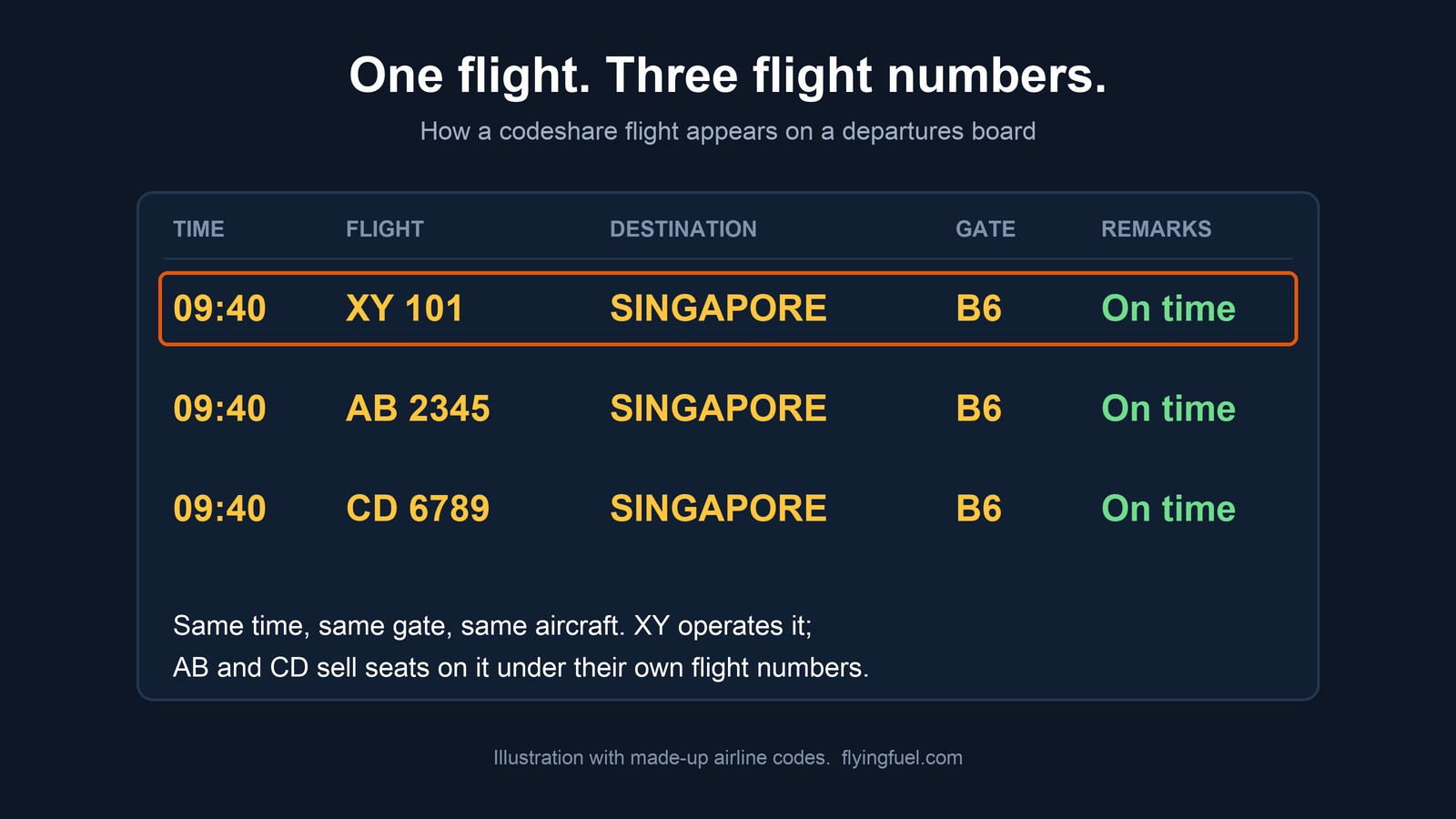
A codeshare flight is a single flight sold by two or more airlines, each under its own flight number. Only one of them, the operating carrier, actually flies the aircraft. The others, called marketing carriers, sell seats on it as if it were their own flight.
If your booking says “operated by” followed by another airline’s name, you are on a codeshare. This guide explains how codeshare flights work, how to spot one, where to check in, which baggage rules apply, and who is responsible if something goes wrong.
The name comes from airline codes, the two-character designators such as LH for Lufthansa or 6E for IndiGo that form the first part of every flight number. In a codeshare, several airlines put their own code on the same flight.
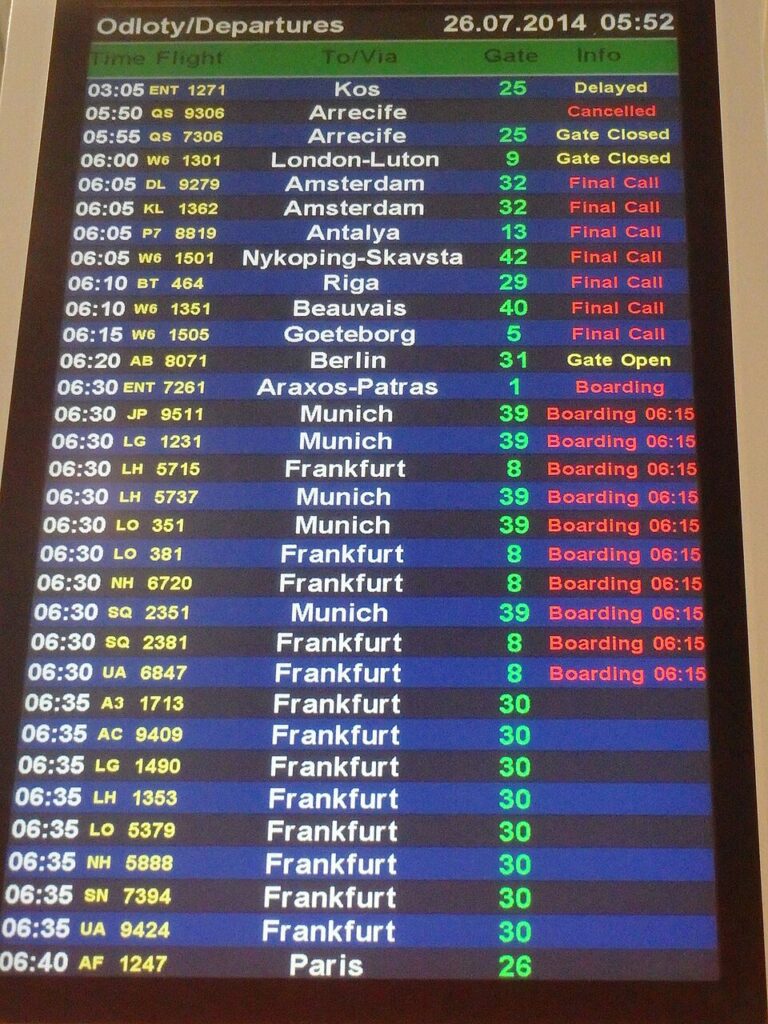
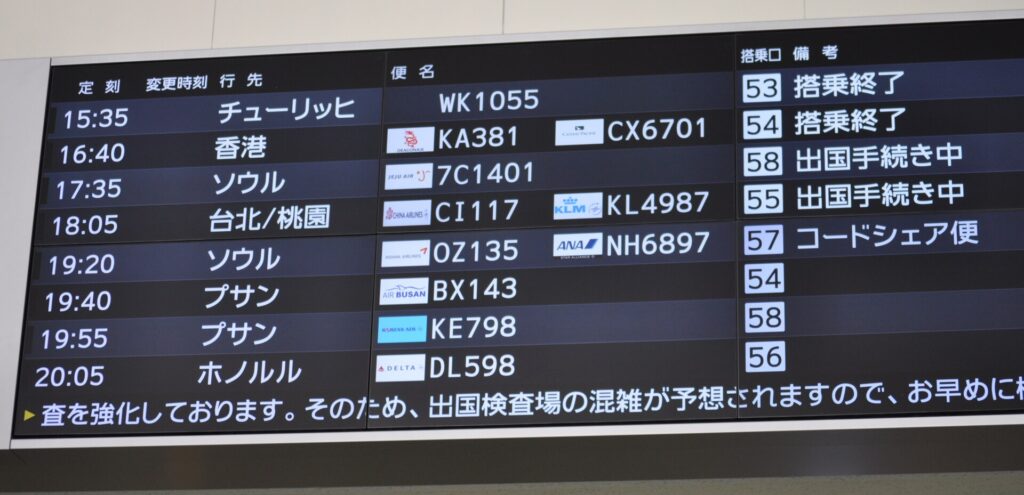
So one aircraft, leaving at one time from one gate, can appear on the departures board several times under different flight numbers. Everyone on board flies together on the same aircraft with the same crew, whichever flight number is printed on their ticket.
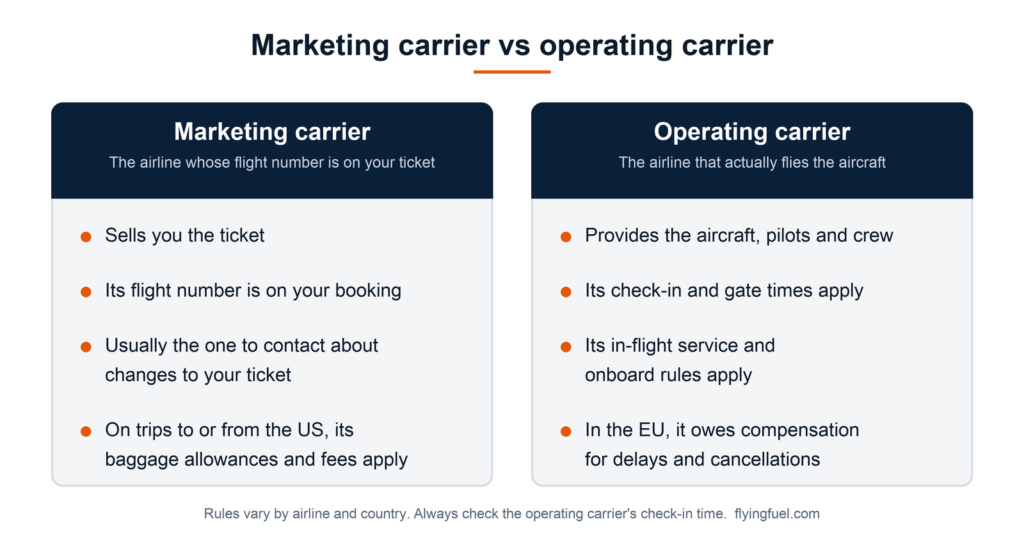
Two terms are worth knowing:
- Operating carrier: the airline that flies the aircraft. US regulations define it as “the carrier that is operating the aircraft in a code-sharing arrangement”.
- Marketing carrier: an airline that sells seats on the flight under its own flight number but does not fly it.
Codesharing is a commercial agreement between airlines. The operating carrier sets aside or shares seats on its flight, and the partner sells them through its own website, booking systems and travel agents.
For airlines, the appeal is reach. A codeshare lets an airline offer destinations it does not fly to itself, and lets it sell a whole journey, such as a long-haul widebody flight followed by a domestic connection, on one ticket. The operating airline gains passengers it might not otherwise reach.
For passengers, a codeshare on a single ticket can mean connecting between two airlines more smoothly, with bags checked through and one booking to manage. The fare may differ depending on which airline you buy from, even though the seat is on the same aircraft.
The giveaway is the phrase “operated by”. If your itinerary shows one airline’s flight number with “operated by” and a different airline’s name, the flight is a codeshare.
Airlines and travel agents are required to tell you this in many countries:
- United States: 14 CFR Part 257 requires airlines and ticket agents to tell consumers clearly when a flight is a codeshare and which carrier operates it, including in schedules, on the phone, in advertising and in writing at the time of purchase.
- European Union: Regulation (EC) No 2111/2005 says the airline or agent selling the ticket must inform the passenger of the identity of the operating carrier when the booking is made, and must tell the passenger of any change, at the latest at check-in or boarding.
Flight numbers can also give a hint. Many airlines use four-digit numbers for flights they market but do not operate, but this is a convention rather than a rule, so the “operated by” line is the reliable check.
As a rule, you check in with the operating carrier. Its check-in counters, check-in deadlines and gate closing times apply, because it is the airline running the flight. IndiGo’s codeshare FAQ, for example, says the operating carrier’s norms apply to check-in counter and gate timings on its codeshare flights.
- Online check-in: usually done on the operating carrier’s website or app, using your booking reference. Some airlines show the operating carrier’s own booking reference in the booking details.
- At the airport: go to the operating carrier’s counter, not the marketing carrier’s, unless the airport signs say otherwise.
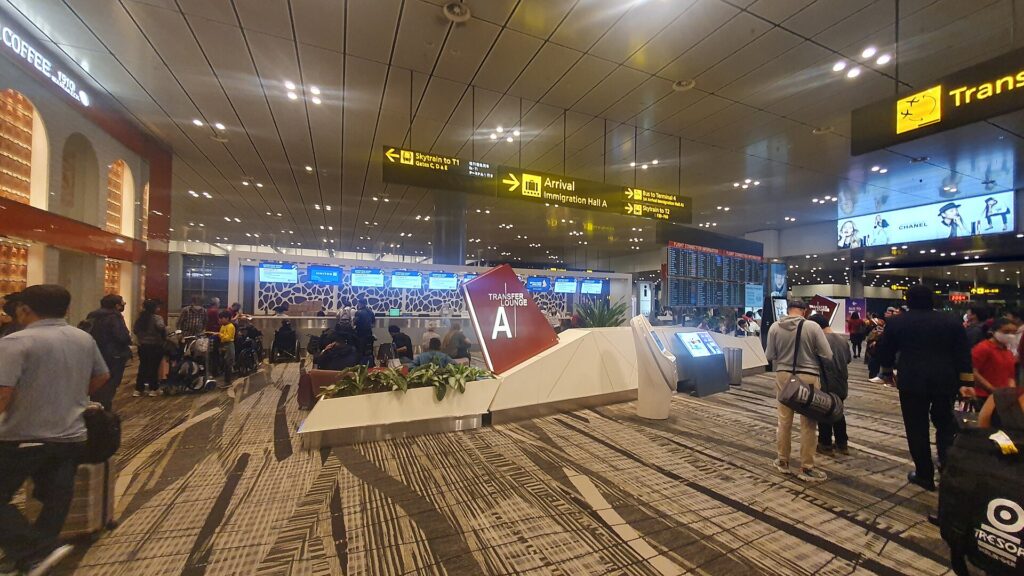
- Connections: if you were not given a boarding pass for an onward codeshare flight, collect it at the transfer desk of the airline operating that flight.
Baggage is where codeshares cause the most confusion, because the two airlines may have different allowances. The answer depends on where you are flying:
- Trips to or from the United States: under US rules on baggage fees, when a codeshare flight is part of an itinerary whose ticketed origin or destination is in the US, airlines must apply the marketing carrier’s baggage allowances and fees throughout the itinerary, where they differ from the operating carrier’s.
- Elsewhere: rules vary by airline. IndiGo, for example, says the baggage allowance on its codeshare flights follows the partner airline’s policy, and that passengers should check the partner’s website for excess baggage charges.
The simplest check is your e-ticket or booking confirmation, which lists the checked baggage allowance for each flight. On a single ticket, bags are normally checked through to the final destination.
Seat Selection and Frequent Flyer Miles
Seat selection is usually handled by the operating carrier, since it controls the aircraft and its seat map. If the airline you booked with cannot assign a seat, try the operating carrier’s website with your booking reference.
Whether you earn frequent flyer miles or points depends on your loyalty programme, the fare you bought and the partnership between the airlines. Check the programme’s partner earning rules before you fly.
Start with the airline you bought the ticket from. It issued your ticket, so it is normally the one that can rebook you or refund the fare.
Compensation rules can point to the other airline. In the European Union, Regulation (EC) No 261/2004 places the obligation to pay compensation and provide care on the operating air carrier, the airline that performed or intended to perform the flight.
These terms are related but mean different things.
| Arrangement | What it means | Whose flight number? |
|---|---|---|
| Codeshare | One airline sells seats on another airline’s flight | The marketing carrier’s, as well as the operating carrier’s |
| Interline | Airlines accept each other’s tickets and transfer bags on one itinerary | The operating carrier’s own |
| Alliance | A group of airlines that cooperate on lounges, loyalty and connections | Each airline’s own; members often codeshare too |
| Joint venture | A deeper partnership in which airlines coordinate schedules and pricing on certain routes | Usually codeshared across the partners |
The three global alliances are Star Alliance, oneworld and SkyTeam. Airlines in the same alliance frequently codeshare, but they do not have to, and many codeshares are between airlines in different alliances or none at all.
- Safe? A codeshare flight is as safe as the airline operating it. The marketing airline does not fly the aircraft, so judge the operating carrier.
- Good? The service, seats and food are the operating carrier’s, not the marketing carrier’s. If you book with one airline expecting its cabin, check who operates the flight first.
- Cheaper? Sometimes. The same seat can be sold at different prices by different airlines, so it can be worth comparing the fare on each airline’s site.
Indian airlines use codeshares heavily to connect their domestic networks with international partners. IndiGo, for example, has codeshare agreements with airlines including British Airways, KLM and Japan Airlines, alongside partners such as Turkish Airlines and Qatar Airways. Codeshares sit alongside IndiGo’s own first long-haul flights; see our guide to widebody aircraft in India.
IndiGo’s codeshare FAQ says passengers on its codeshare flights should carry both the itinerary and the e-ticket, that check-in and gate timings follow the operating carrier, and that a missing boarding pass for the partner flight can be collected at the partner airline’s transfer desk.
Frequently Asked Questions
Codeshare means the flight is sold by more than one airline. Each airline gives it its own flight number, but only one airline, the operating carrier, actually flies the aircraft.
Look for the words “operated by” followed by a different airline’s name on your booking, ticket or boarding pass. In the US and the EU, the airline or travel agent must tell you who operates the flight when you book.
Usually with the operating carrier, the airline that flies the aircraft. Its check-in counters, check-in deadlines and gate closing times apply, even if you booked through a different airline.
It depends on the itinerary. For trips to or from the United States, US rules require the marketing carrier’s baggage allowances and fees to apply throughout. Elsewhere it varies: IndiGo, for example, says baggage on its codeshare flights follows the partner airline’s policy. Check your e-ticket, which lists the allowance.
A codeshare flight is as safe as the airline that operates it. The marketing airline does not fly the aircraft, so look up the operating carrier if you want to know who is responsible for the flight.
Contact the airline you booked with about rebooking or a refund on your ticket. For flight compensation in the European Union, Regulation 261/2004 places the obligation on the operating carrier.
In a codeshare, one airline sells a seat on another airline’s flight under its own flight number. In an interline agreement, airlines sell each other’s flights under the operating airline’s own flight number and accept each other’s tickets and bags on a single itinerary.
Featured image and diagram: FlyingFuel illustrations using made-up airline codes.