
Turbulence is uncomfortable, but for a modern airliner it is very rarely dangerous to the aircraft. The real risk is to people: passengers and crew who are not wearing a seat belt can be thrown out of their seats when the plane suddenly drops.
The numbers show how small, but real, that risk is. According to the FAA, there were 207 serious turbulence injuries on US airline flights from 2009 to 2024, and 166 of them were crew members, mostly flight attendants. This guide explains what turbulence is, why planes can handle it, the different types and levels, and how to stay safe.
What Is Turbulence?
Turbulence is air that moves unevenly. The FAA describes it as air movement that normally cannot be seen and often happens unexpectedly. It can be caused by air pressure changes, jet streams, air flowing over mountains, weather fronts and thunderstorms, and it can happen even when the sky looks clear.
When an aircraft flies through these changes in the air, it bumps, shakes or briefly rises and drops. In Hindi, passengers often describe it as the plane “hichkole khana”.
Can Turbulence Bring Down a Plane?
For a modern airliner, this is extremely unlikely. Under US certification rules, airliners must be designed for manoeuvre loads of at least +2.5g and -1g, and the structure must be able to carry 1.5 times those loads without failing. Wings are built to flex, and in normal turbulence they bend and return to shape exactly as designed.
Pilots also avoid the worst areas. They fly around thunderstorms, change altitude when other pilots report rough air, and slow down to a set turbulence speed that reduces the loads on the aircraft.
That is why “turbulence accidents” in airline flying almost always mean injuries in the cabin, not damage that brings the aircraft down.
How Dangerous Is Turbulence for Passengers?
The danger comes from not being strapped in. If the aircraft drops suddenly, anyone standing up or sitting without a seat belt can hit the ceiling, overhead bins or the floor.
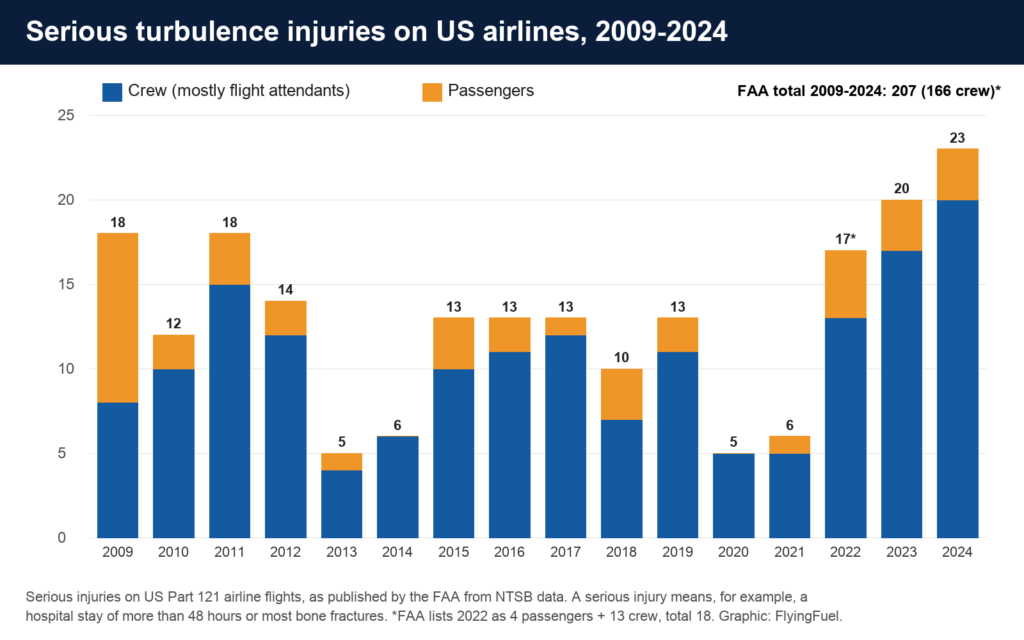
The FAA figures show that crew members suffer most serious turbulence injuries, because they are often standing and working in the cabin. A serious injury in this data means, for example, a hospital stay of more than 48 hours or most kinds of broken bones. Considering the millions of flights US airlines operate each year, these injuries are rare, but most could be prevented with a fastened seat belt.
Types of Turbulence
- Clear-air turbulence. Bumpy air at high altitude with no cloud to warn of it, usually near the fast winds of the jet streams. It is hard to see on weather radar, which is why it often catches people unbelted.
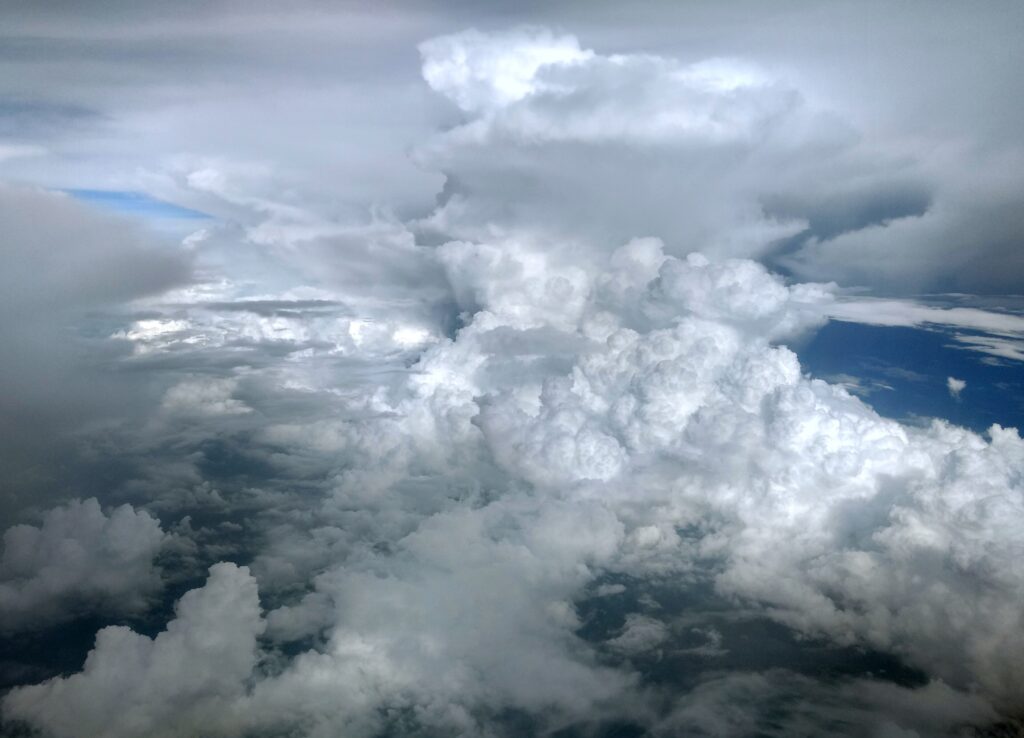
- Thunderstorm (convective) turbulence. Strong rising and falling air in and around storm clouds. It can be severe, so pilots steer well clear of storms.
- Mountain wave turbulence. Wind flowing over mountain ranges can create waves and rough air downwind.
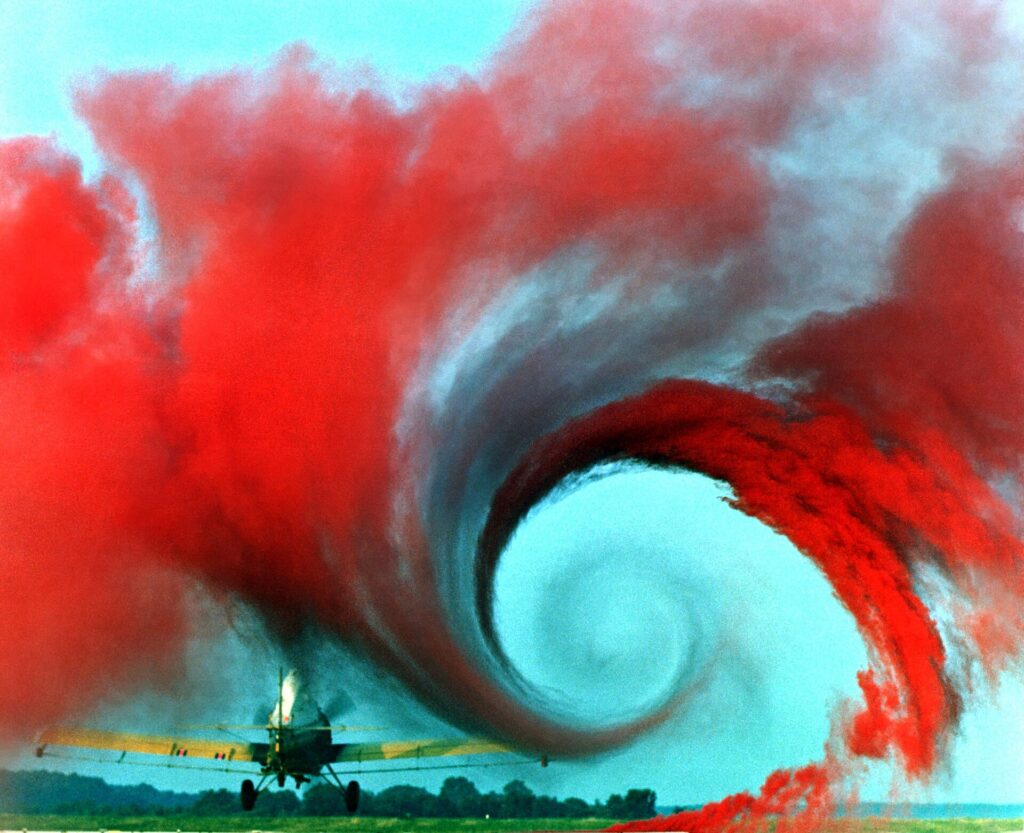
- Wake turbulence. Every aircraft leaves spinning vortices behind its wingtips. Air traffic control keeps aircraft spaced apart, especially behind large widebody jets, so that following aircraft avoid them.
- Low-level turbulence. Near the ground, wind over buildings, hills and trees becomes uneven, which is why take-offs and landings on windy days can feel bumpy.
Levels of Turbulence: Light, Moderate, Severe, Extreme
Pilots report turbulence on a four-level scale set out in the FAA’s Aeronautical Information Manual. Here is what each level feels like in the cabin, according to that scale:
| Level | What happens to the aircraft | What you feel in the cabin |
|---|---|---|
| Light | Slight, erratic changes in altitude or attitude | Slight strain against the seat belt; food service can continue and walking is easy |
| Moderate | Bigger changes, but the aircraft stays in positive control | Definite strain against the seat belt; loose objects move; walking and food service are difficult |
| Severe | Large, abrupt changes; the aircraft may be momentarily out of control | People are forced violently against their seat belts; loose objects are tossed about; walking is impossible |
| Extreme | The aircraft is violently tossed about; it may cause structural damage | Very rare; pilots avoid areas where it is likely |
Source: FAA Aeronautical Information Manual, turbulence reporting criteria, summarised.
Most turbulence passengers experience is light. Moderate turbulence happens from time to time, and severe turbulence is uncommon.
Real Examples
Singapore Airlines SQ321, May 2024
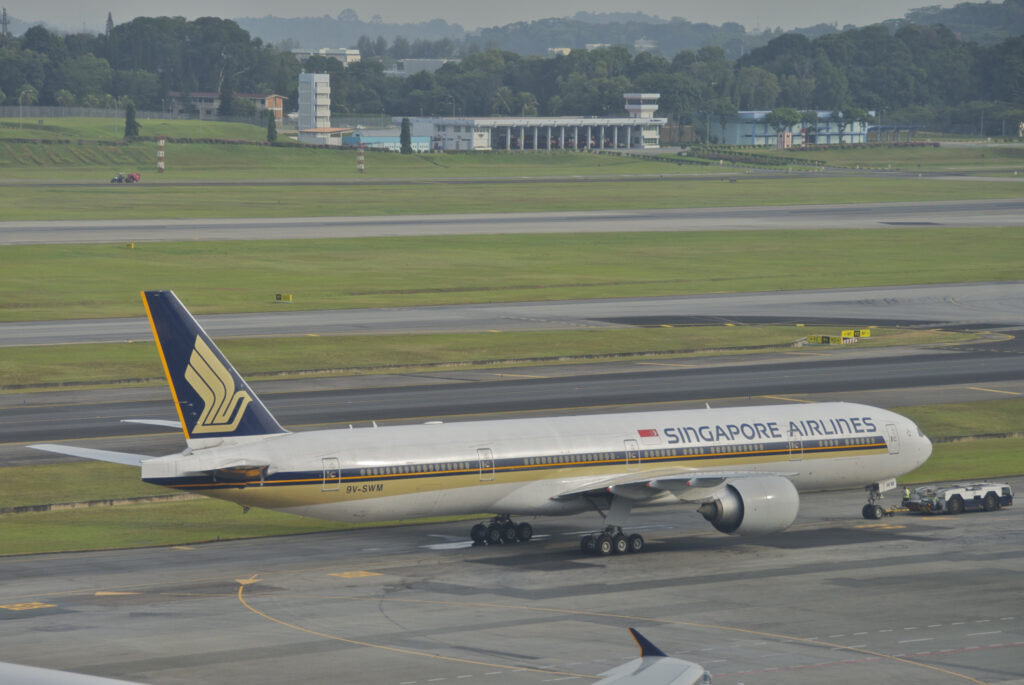
In May 2024 a Singapore Airlines Boeing 777-300ER flying from London to Singapore hit severe turbulence over Myanmar at about 37,000 feet. One passenger died and dozens of people were injured, and the flight diverted to Bangkok.
According to the preliminary report by Singapore’s Transport Safety Investigation Bureau, the vertical acceleration changed from +1.35G to -1.5G within 0.6 seconds, which likely lifted people who were not belted in out of their seats, and then swung back to +1.5G within four seconds. The aircraft dropped 178 feet during that sequence.
IndiGo 6E2142, Delhi to Srinagar, May 2025
On 21 May 2025, an IndiGo flight from Delhi to Srinagar ran into a sudden hailstorm and severe turbulence while approaching Srinagar. IndiGo said the aircraft landed safely and no injuries were reported, and the aircraft was inspected before returning to service. The DGCA looked into the incident, as reported by PTI.
Is Turbulence Getting Worse?
Research suggests clear-air turbulence is increasing. A University of Reading study, published in 2023, found that the time spent in severe clear-air turbulence at an average point over the North Atlantic rose by 55% between 1979 and 2020, from 17.7 to 27.4 hours a year. The researchers link the change to warmer air strengthening the wind shear in the jet streams.
More turbulence does not mean flying has become unsafe, but it makes keeping your seat belt fastened even more important.
How Pilots Avoid Turbulence
- Forecasts: airlines plan routes and cruising altitude using turbulence forecasts. The FAA says it developed a turbulence “nowcast” with the US National Center for Atmospheric Research.
- Weather radar: on board, radar shows storm clouds so pilots can fly around them. It does not show clear-air turbulence.
- Pilot reports: pilots report the turbulence they meet to air traffic control so that flights behind them can change altitude or route.
- The seat belt sign: crews switch it on when they expect bumps, and many airlines ask passengers to keep belts fastened whenever seated.
How to Stay Safe in Turbulence
The FAA‘s main advice is to keep your seat belt fastened at all times. In practice:
- Keep your seat belt fastened whenever you are seated, even when the sign is off. A loosely fastened belt is enough to stop you being thrown upwards.
- Follow the crew’s instructions and the seat belt sign.
- Use an approved child seat for children under two. The FAA says this is the safest place for them.
- Stow heavy bags in the overhead bin or under the seat, and be careful with hot drinks.
- Choose a seat over the wing if turbulence makes you nervous. Seats near the aircraft’s centre usually feel less movement than those at the back.
Whether you are on a short A320neo flight or one of the world’s long-haul flights, the advice is the same: buckle up, and turbulence is very unlikely to hurt you.
Frequently Asked Questions
Is turbulence dangerous?
For the aircraft, almost never: airliners are built to handle much stronger loads than normal turbulence produces. For people, the danger is injury when someone who is not wearing a seat belt is thrown against the ceiling or into the aisle. FAA figures show 207 serious turbulence injuries on US airlines from 2009 to 2024, most of them to flight attendants.
Can turbulence crash a plane?
It is extremely unlikely for a modern airliner. Airliners must be designed for strong loads with a 1.5 safety margin, and pilots avoid the worst areas, such as thunderstorms. Accidents caused by turbulence almost always mean injuries in the cabin, not a crash.
What is clear-air turbulence?
Clear-air turbulence is bumpy air at high altitude with no clouds to warn of it, usually caused by changes in wind speed near the jet streams. Because it cannot be seen, it is a common cause of injuries to people who are not belted in.
What is the meaning of turbulence in a flight?
Turbulence is sudden, uneven movement of the air that makes the aircraft bump, shake or briefly rise and drop. In Hindi it is often described as the plane “hichkole khana” or air “uthal-puthal”.
What are the levels of turbulence?
Pilots report four levels: light, moderate, severe and extreme. In light turbulence you feel a slight strain against the seat belt; in severe turbulence people are forced violently against their belts and walking is impossible. Extreme turbulence is very rare.
Which seat has the least turbulence?
Seats over the wings, near the aircraft’s centre, usually feel the least movement, and seats at the very back usually feel the most. The safest thing you can do in any seat is keep your seat belt fastened.
Is turbulence getting worse?
Research suggests clear-air turbulence is increasing. A University of Reading study found that severe clear-air turbulence over the North Atlantic increased by 55% between 1979 and 2020, which the researchers link to climate change.
Why does turbulence happen during landing?
Near the ground, wind flowing over buildings, hills and trees becomes uneven, and storms can cause strong gusts and wind shear. That is why approaches on windy days can feel bumpy even when the flight at cruising altitude was smooth.
Featured image: Alf van Beem, CC0, via Wikimedia Commons.