
Summary
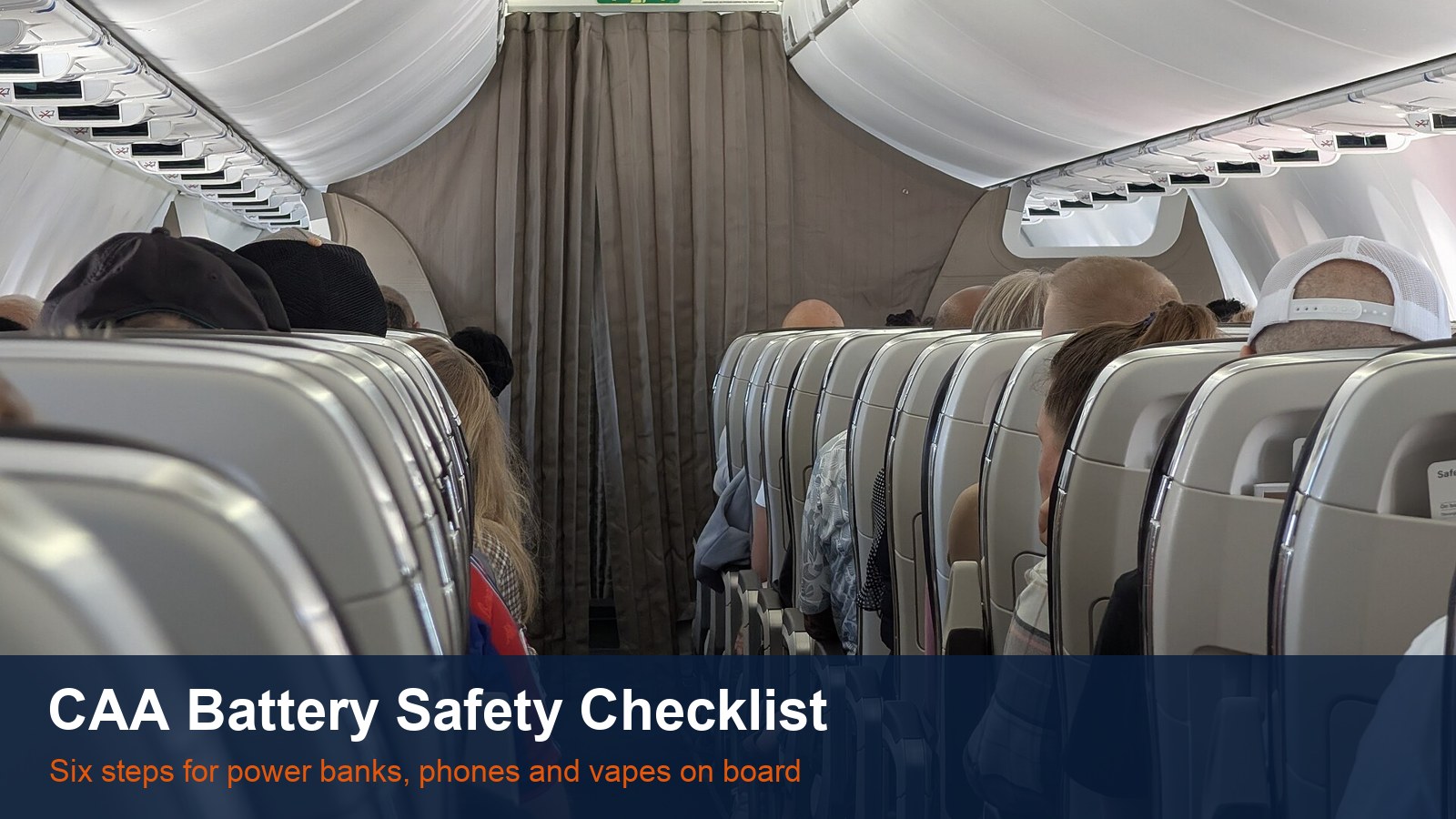
- The UK Civil Aviation Authority published a six-point lithium battery safety checklist on 22 October 2026
- Almost three million passengers are expected to fly from England and Wales over the October half-term
- 54% of flyers now carry a power bank, but 31% still wrongly think batteries belong in checked bags
LONDON, United Kingdom, 22 October 2026 – The UK Civil Aviation Authority (CAA) has published a six-point checklist telling passengers what to do if a power bank, phone or vape overheats on a plane, as almost three million people prepare to fly from England and Wales during the October half-term, the regulator announced.
The CAA warns that incidents involving lithium battery-powered devices remain highly likely during the busy holiday period. The checklist is guidance that sits on top of the existing carriage rules, which have not changed.
The six steps
In summary, the CAA asks passengers to:
- Carry power banks in the cabin, and check your airline’s limits on size and number
- Never charge a power bank during the flight
- Only use a power bank on board if your airline allows it, and keep it within easy reach
- If a power bank, vape, phone or tablet gets hot, switch it off, stop charging and tell the cabin crew straight away
- If a device starts to smoke, alert the cabin crew immediately; they are trained to deal with it
- Carry vapes in the cabin too, but never use them on board
Glenn Bradley, the CAA’s Head of Flight Operations, compared the list to the checklists pilots run on every flight, saying knowing how to react to an overheating device matters as much as packing it correctly. Heathrow’s Security Director, Tonia Fielding, urged travellers to keep power banks in their hand baggage.
What the CAA’s research found
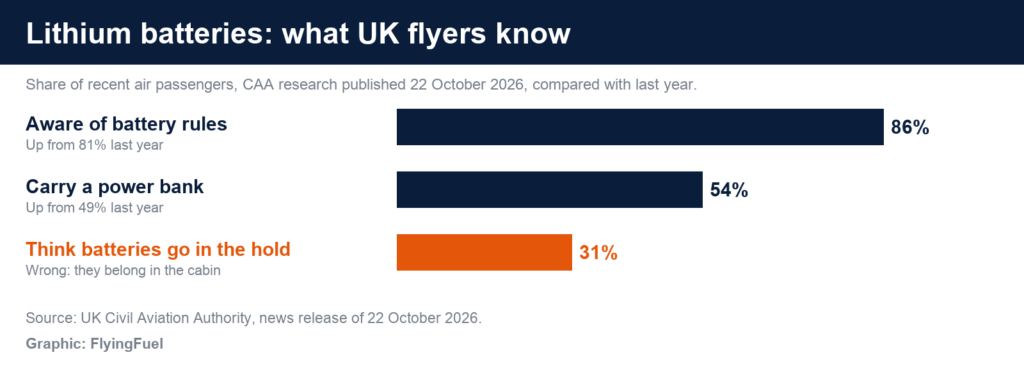
Awareness of the battery rules among recent flyers rose to 86%, from 81% a year earlier, which the CAA credits to a summer awareness campaign run with airports and airlines. But 31% of passengers still wrongly believe lithium battery items should go in checked luggage, and power banks are becoming more common: 54% of flyers now carry one, up from 49%. Hits Radio reported the same figures as it passed the checklist on to East Midlands holidaymakers on 23 October.
Why regulators worry
The CAA wants batteries in the cabin, where trained crew can deal with a device that overheats. When the CAA launched its summer “pack right” campaign in June, it called lithium batteries the “number one safety risk to aircraft”, said incidents were happening at a rate of about two a week and that reports of overheating or malfunctioning devices nearly doubled between 2024 and 2025, Travel Weekly reported.
The rules to remember
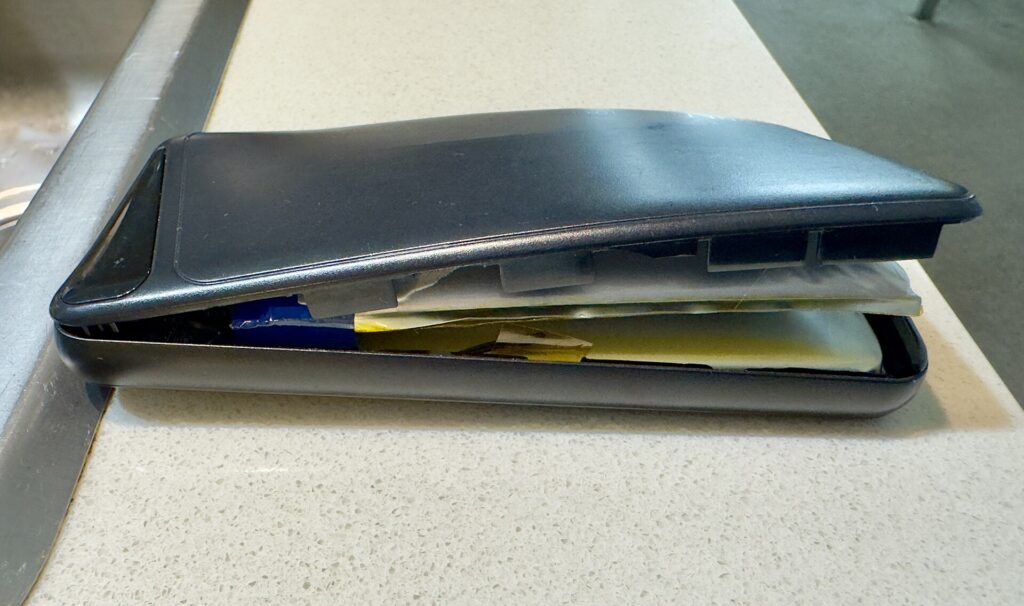
The CAA’s Pack Right guidance says power banks go in the cabin only, with a maximum of two per person, and must never be recharged during the flight. Spare batteries under 100Wh are fine in the cabin, those from 100Wh to 160Wh need the airline’s approval, and anything above 160Wh is not allowed in passenger baggage. Damaged, swollen or overheating batteries should not fly at all, and if your cabin bag is taken to the hold at the gate, take out any batteries and lithium devices first. Individual airlines can set stricter limits, so check before you travel.
Flying from the US? The rules on spare lithium batteries are similar, and our TSA PreCheck vs Global Entry guide covers how to get through security faster.
Read more
- Flight diversion explained: why planes land somewhere else
- TSA PreCheck vs Global Entry: which one do you need?
- Heathrow third runway: the plan, the cost and the timeline
- Layover vs stopover: what to know before you connect
Sources: UK Civil Aviation Authority news release, 22 October 2026; CAA Pack Right guidance; Hits Radio, 23 October 2026; Travel Weekly, 26 June 2026.
Featured image: FlyingFuel graphic using a photo of an economy class cabin on SWISS aircraft HB-JCI by Stimpy, CC BY-SA 4.0, via Wikimedia Commons.
 GulfstreamGulfstream Business Jets: Every Model From the G300 to the G800 Explained (2026)
 NewsBombardier to Hire 800 in the US and Spend $270 Million on First Phase of Expansion
 NewsAll Passengers Flying to the US Must Sign an Ebola Travel Attestation From 3 November
 BombardierBombardier Business Jets: Every Global and Challenger Model Explained (2026)
 NewsSafran LEAP Engine Deliveries Rise 26% to 1,565 in First Nine Months of 2026
 NewsEmbraer Order Backlog Hits Record $35.7 Billion as E2 Jet Orders Grow