
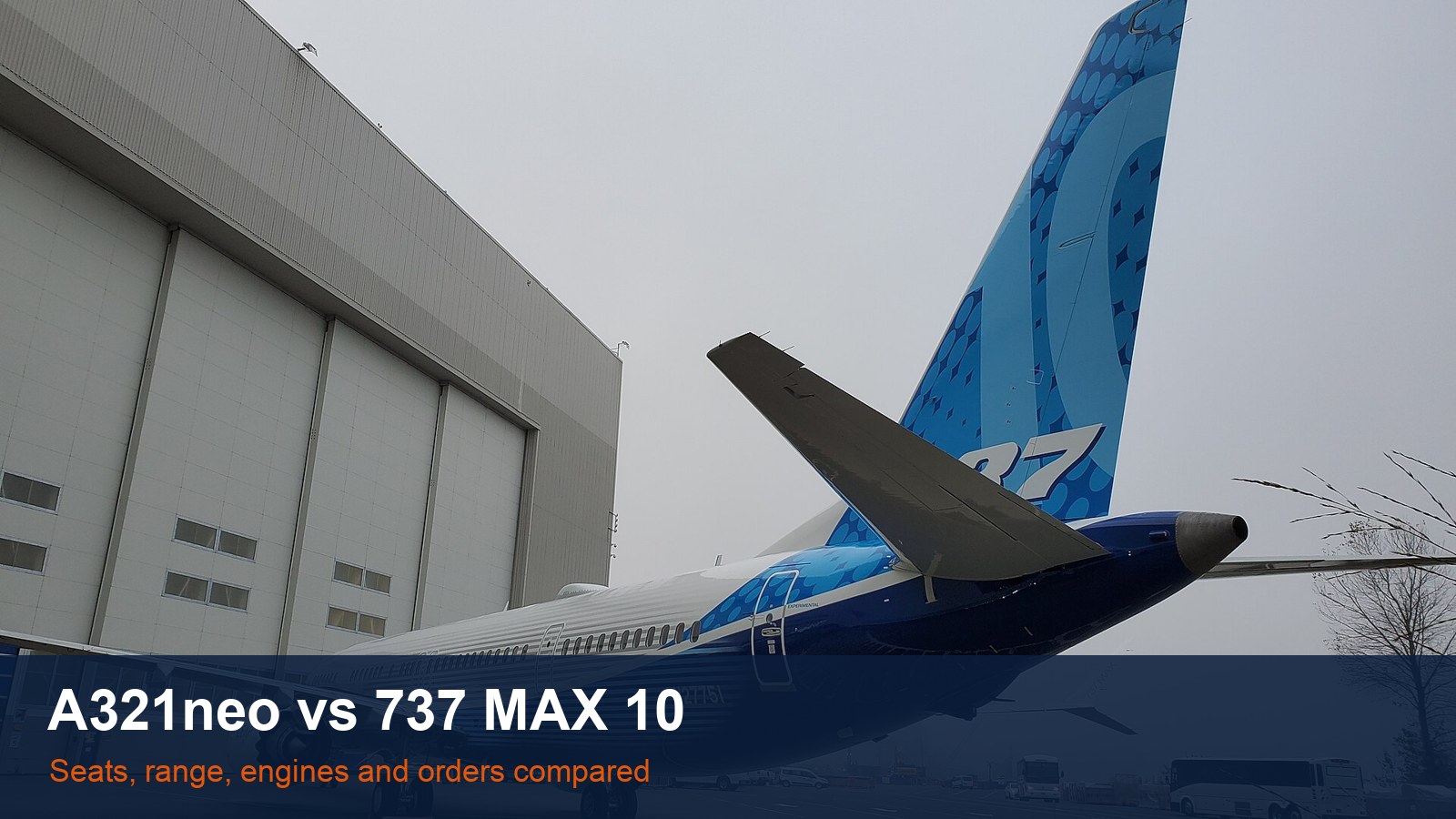
The Airbus A321neo and the Boeing 737 MAX 10 are the two biggest single-aisle jets from the world’s two big planemakers. They are built for the same job: carrying around 200 passengers on busy routes with one aisle, two engines and low fuel burn. But one has been flying passengers since 2017, while the other was only certified by the FAA on 20 October 2026 (read the news).
Quick verdict: the A321neo wins on almost every number: up to 244 seats against 230, up to 4,000 nm of range against 3,100, a wider cabin, two engine choices and long-range versions. The 737 MAX 10 is mainly a choice for airlines that already fly the 737 MAX 8 and want a bigger aircraft that their pilots and engineers already know.
In this comparison we go step by step: size, seats, cabin, engines, cockpit, range, the MAX 10’s long certification delay, orders, Indian airlines, and which aircraft is better for which job. If you want each aircraft on its own, read our detailed A321neo review and 737 MAX 8 review.
A321neo vs 737 MAX 10: Quick Comparison
| Item | Airbus A321neo | Boeing 737 MAX 10 (737-10) |
|---|---|---|
| Seats (two-class) | 180 to 220 | 185 to 210 |
| Maximum seats | 244 (EASA, with Cabin Flex) | 230 |
| Range | Up to 4,000 nm (7,400 km) | Up to 3,100 nm (5,740 km) |
| Length | 44.51 m | 43.8 m |
| Wingspan | 35.80 m | 35.9 m |
| Height | 11.76 m | 12.3 m |
| Maximum take-off weight | 97 tonnes | 89.76 tonnes |
| Cargo hold | 51 m3 (without extra tanks) | 1,961 cu ft (about 55.5 m3) |
| Engines | CFM LEAP-1A or Pratt & Whitney PW1100G-JM | CFM LEAP-1B only |
| Flight controls | Fly-by-wire, sidestick | Control yoke, as on earlier 737s |
| First flight | 9 February 2016 | 18 June 2021 |
| In service | Since 31 May 2017 | Not yet; FAA certified 20 Oct 2026, deliveries from late 2026 or early 2027 |
| Long-range versions | A321LR, A321XLR | None |
Sources: Airbus A321neo page; Boeing 737 MAX specifications; Wikipedia: Airbus A321neo; Wikipedia: Boeing 737 MAX (cargo volume and first flight).
Why the 737 MAX 10 Exists
The answer is simple: the A321neo was winning. According to the history of the 737 MAX, loyal Boeing customers such as Korean Air and United Airlines pushed Boeing for a 737 bigger than the MAX 9, because the A321neo had outsold the MAX 9 roughly five to one. Boeing first studied bigger changes, including larger engines and stronger wings, but chose a simpler, lower-risk design.
The result was a modest stretch of the MAX 9, with two extra fuselage sections, one ahead of the wing and one behind it. The MAX 10 kept the existing wing and the LEAP-1B engine. The only major new part was the main landing gear. Boeing launched the MAX 10 on 19 June 2017 with 240 orders and commitments from more than ten customers, and finished that year’s Paris Air Show with 361 orders and commitments, many of them converted from MAX 9 orders. At launch, Boeing predicted about 5% lower trip cost and seat cost than the A321neo.
The A321neo, by contrast, is the long version of the A320neo. It first flew from Hamburg on 9 February 2016 and entered service with Virgin America on 31 May 2017. By the time Boeing showed the first MAX 10 to employees in November 2019, there were 531 MAX 10s on order against 3,142 A321neos.
Size and Looks: How to Tell Them Apart
On the ramp, the two look similar: long, thin, single-aisle jets with two engines under the wings. In fact their length is almost the same, 44.51 m for the A321neo and 43.8 m for the MAX 10. Here is how to tell them apart:
- The nose: the 737 has a pointed nose and cockpit side windows that angle down in a V shape; the A320 family, including the A321neo, has a rounder nose.
- The wingtips: the 737 MAX has a split-tip winglet, with one blade pointing up and one pointing down. The A321neo has a single upward Sharklet.
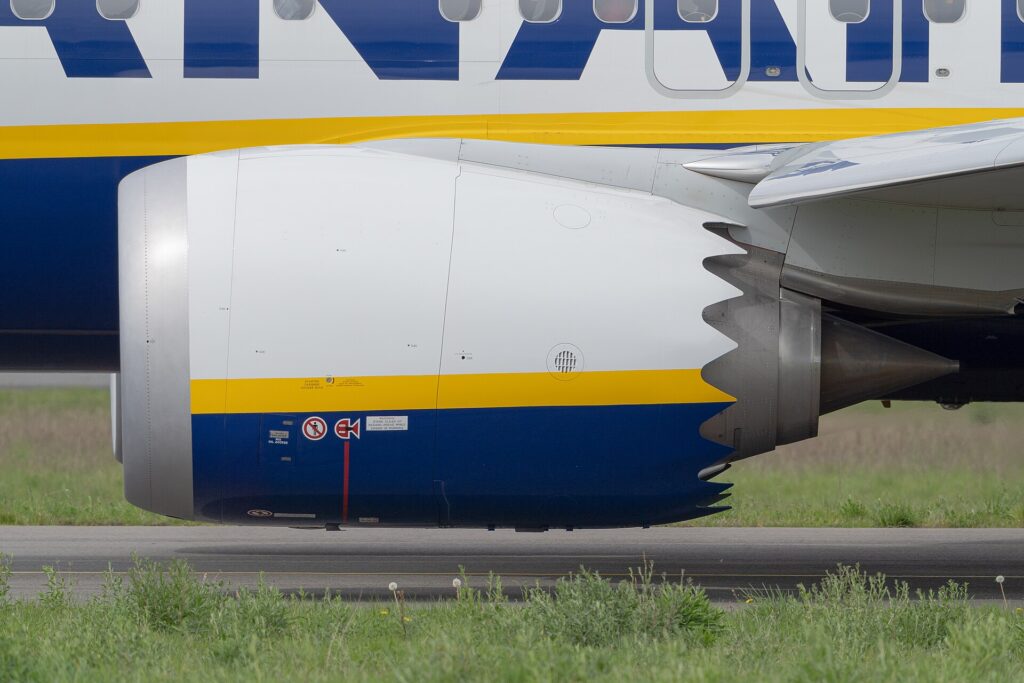
- The engines: the 737 sits low, so its LEAP-1B engines are mounted high and forward on the wing, and their nacelles have a serrated (chevron) rear edge. The A321neo’s engines have a smooth rear edge and larger fans.
- The doors: most A321neos built since 2020 have Airbus Cabin Flex, with two small overwing exits on each side instead of a full-size door just ahead of the wing.
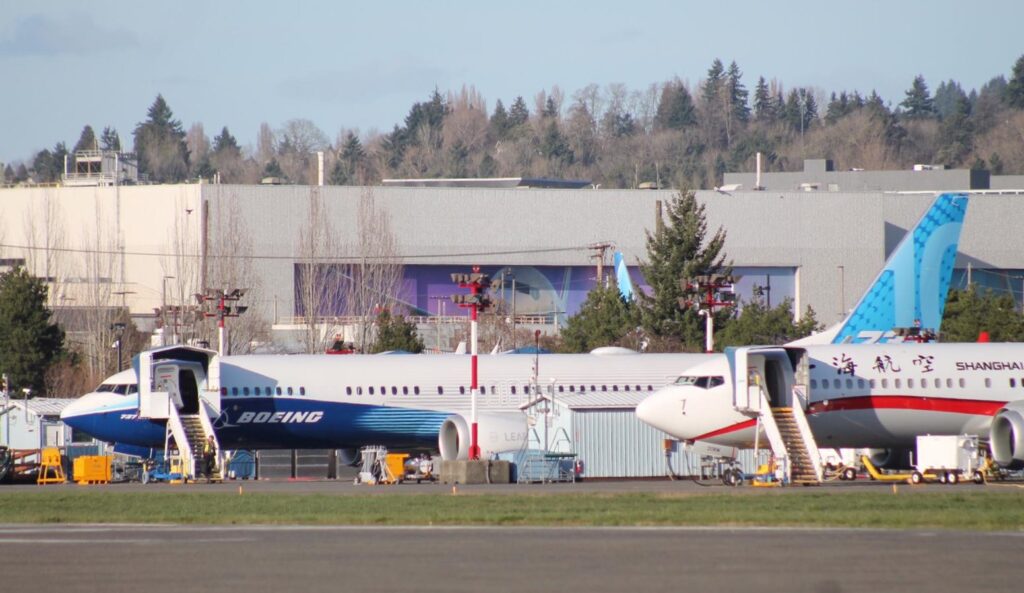
The MAX 10’s most interesting part is hidden: its landing gear. Because a 737 sits low to the ground, stretching it brings the tail closer to the runway when the nose lifts on take-off. Boeing’s answer is a semi-levered main gear with a telescoping strut that makes the gear about 9.5 inches (24 cm) taller for take-off. When the gear retracts, a shrink-link mechanism, inspired by aircraft-carrier designs, pulls it in and shortens it so it still fits in the existing wheel well. Wikipedia describes the mechanism in detail.
Seats and Cabin
Boeing lists the 737-10 with 185 to 210 seats in two classes and a maximum of 230. Airbus lists the A321neo with 180 to 220 in two classes and up to 244. So in a typical layout they carry a similar number of people, but the A321neo can be packed more densely.
The A321neo’s extra seats come from its exits. Exits decide how many people an aircraft may carry, because everyone must be able to get out quickly. With the Cabin Flex door layout and larger Type C exits, Europe’s EASA allows up to 244 passengers. The US FAA does not recognise those exit types and limits US-registered A321neos to 200 passengers.
Cabin width is the other difference. Both have six seats per row in economy, three on each side of the aisle. But Airbus says its single-aisle cabin is about 7 inches wider than the 737’s, roughly an extra inch per seat across a row. On a long flight in a full cabin, you may feel that difference in seat width or aisle space.
The MAX 10 has the Boeing Sky Interior, the same as the MAX 8: larger pivoting overhead bins that hold more bags, LED mood lighting, and windows that Boeing says are 20% larger than on other single-aisle airplanes. On both aircraft, what you actually sit in depends far more on the airline than on the aircraft.
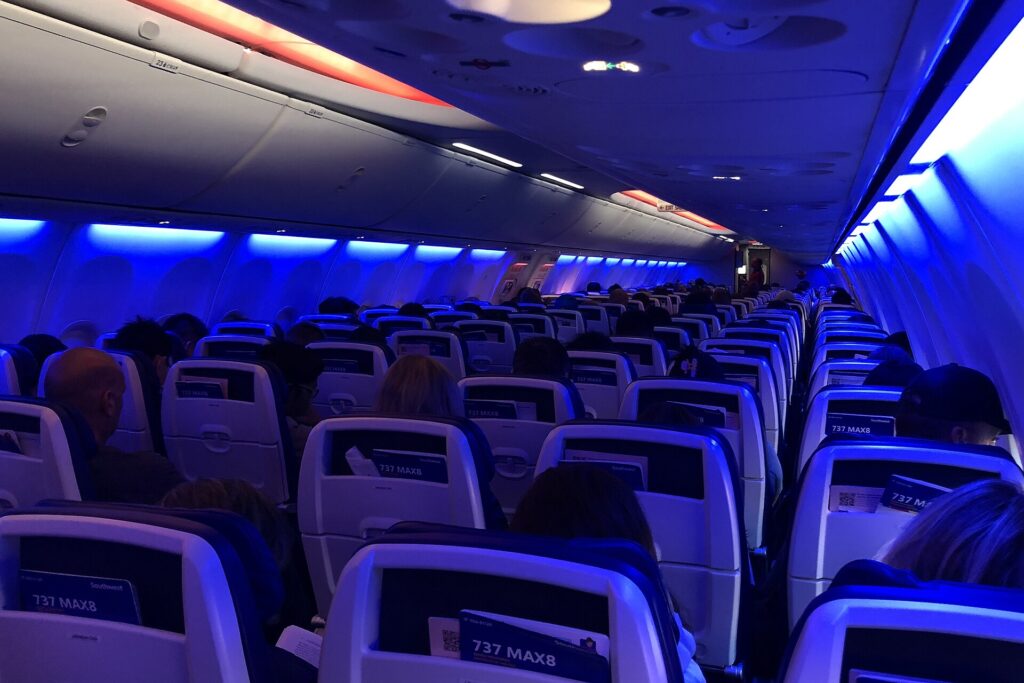
One more point for passengers: both are long single-aisle aircraft. With 220 to 240 people sharing one aisle, boarding and getting off take longer than on a smaller jet, whichever aircraft you are on.
Engines Explained
Both aircraft use modern high-bypass turbofans. A big fan at the front pushes most of the air around the hot engine core instead of through it, which saves fuel and noise. Our turbofan vs turboprop guide explains the idea step by step.
| Engine detail | A321neo | 737 MAX 10 |
|---|---|---|
| Engine choices | 2: CFM LEAP-1A or Pratt & Whitney PW1100G-JM (geared turbofan) | 1: CFM LEAP-1B |
| Thrust range | 24,500 to 35,000 lbf (family) | LEAP-1B (same family as the MAX 9) |
| Fan size | LEAP-1A: 78 in; PW1100G-JM: 81 in | LEAP-1B: 69.4 in |
| Known issues | PW1100G powdered-metal defect forced long inspections and groundings | Engine anti-ice system redesigned (affects all MAX variants) |
Sources: Wikipedia: Airbus A321neo; Wikipedia: CFM International LEAP; Wikipedia: Boeing 737 MAX.
Why is the 737’s fan smaller? Because the 737 sits low. A bigger fan would hit the ground, which is why Boeing raised the nose gear and moved the engine higher and further forward when it designed the MAX. The A320 family stands taller, so its engines can have bigger fans.
The A321neo’s two engine choices give airlines bargaining power, but one of them has caused pain. Some Pratt & Whitney PW1100G engines were built with contaminated powdered metal, and each affected engine needed a repair taking 250 to 300 days. Airlines flying GTF-powered aircraft, including IndiGo, had to park aircraft while they waited. The MAX 10 has only the LEAP-1B, so airlines have no choice, but they also share one engine type across their whole MAX fleet.
Cockpit and Pilots
This is where the two families are most different. The A321neo has fly-by-wire controls and a sidestick beside each pilot, exactly like every other A320 family aircraft. An airline that flies A320neos can move pilots to the A321neo with little extra training.
The 737 MAX 10 keeps a traditional control yoke in front of each pilot, like earlier 737s. Boeing deliberately kept the cockpit close to the 737 MAX 8 and 9, so a MAX 8 pilot can fly the MAX 10 with minimal extra training.
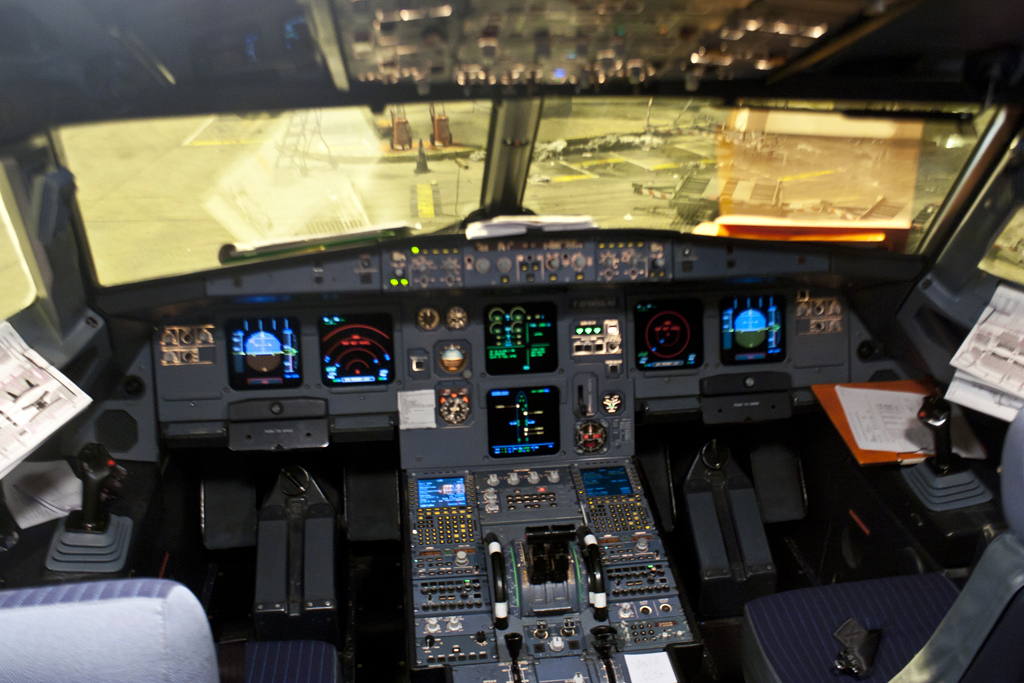
For an airline, this commonality often matters more than any single number. An airline with a big 737 fleet, such as Akasa Air, can add the MAX 10 without training pilots for a new type. An airline with a big A320 family fleet, such as IndiGo, gets the same benefit from the A321neo.
Range: Where Each Can Fly
Range is the clearest gap. Boeing lists the 737-10 at up to 3,100 nm (5,740 km). Making the 737 longer added weight and seats without adding fuel, so the MAX 10 has the shortest range of the MAX family. The A321neo and A321LR fly up to 4,000 nm (7,400 km), and the A321XLR up to 4,700 nm.
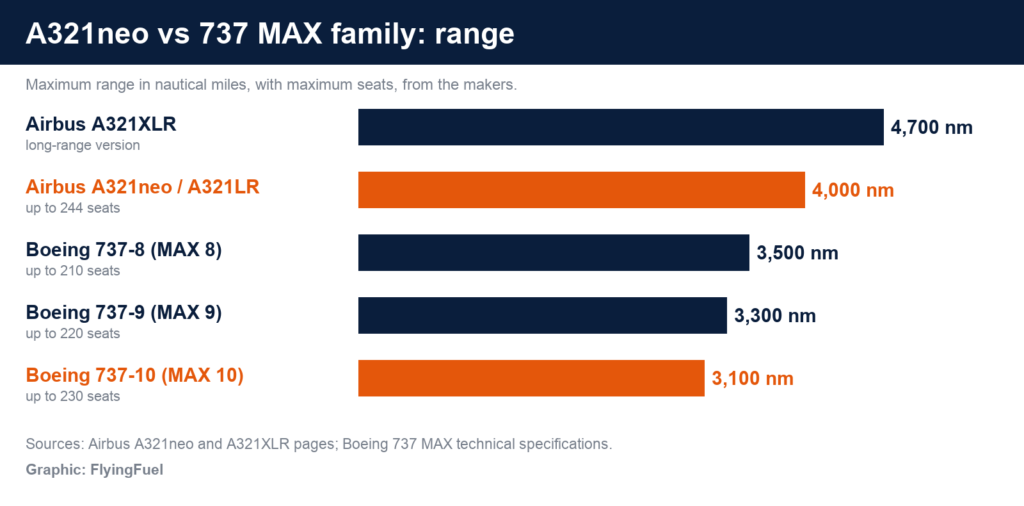
In practice, 3,100 nm is plenty for domestic India, the Gulf and much of Southeast Asia, which is how most airlines will use the MAX 10. But the A321neo family can do much more. IndiGo flies the A321XLR from Mumbai and Delhi to Athens, a route no 737 can fly. Wikipedia notes that the MAX 10 has similar capacity to the A321XLR but a shorter range and much poorer field performance, which makes it harder to use at smaller airports with shorter runways.
Real-world range is always lower than the brochure figure, because it depends on how many passengers and bags are on board, the weather and the fuel reserves an airline must carry.
Certification: Why the MAX 10 Took So Long
The MAX 10 first flew on 18 June 2021, and entry into service was once planned for July 2020. Then the 737 MAX was grounded worldwide after the two crashes linked to the MCAS flight-control software, and certification of the MAX 7 and MAX 10 slipped again and again. Our 737 MAX 8 review explains what MCAS was and what Boeing changed.
- New safety law: a US law passed after the crashes requires aircraft certified after 31 December 2022 to have a modern crew-alerting system (EICAS). Congress later allowed the MAX 7 and MAX 10 to be certified without it, but required Boeing to add a third angle-of-attack sensor and a switch to silence the stick shaker, and to retrofit these to MAXs already delivered in the US, Canada and Europe within three years of MAX 10 certification.
- Engine anti-ice problem: in August 2023 Boeing found that leaving the engine anti-ice system on too long could overheat the engine inlet so much that parts could break off. Boeing completed a redesign in November 2025.
- Stall-management system: in January 2025 Boeing asked for more time to certify the MAX 7 and MAX 10’s stall management yaw damper to a higher standard.
- MAX 7 certified first: the FAA certified the MAX 7 on 3 August 2026, leaving the MAX 10 as the last variant still waiting.
- MAX 10 certified: the FAA finally certified the 737-10 on 20 October 2026, with first deliveries expected in late 2026 or early 2027. See our news report on the certification.
According to Wikipedia (October 2026), the FAA completed a key safety review in the third week of October 2026 and was set to approve the MAX 10 in late October. WestJet is planned as the launch customer, with deliveries from 2027, and United expects to start flying it in the first half of 2027.
The delays have cost Boeing. United, the biggest MAX 10 customer, said publicly it was disappointed, stopped including the MAX 10 in its fleet plans for a while, and talked to Airbus about getting A321neos sooner. Boeing has also opened a new 737 line in its Everett widebody factory, which has room to build the long MAX 10 without the space limits of the Renton lines.
Orders and Who Flies Them
| Airbus A321neo | Boeing 737 MAX 10 | |
|---|---|---|
| Orders | 7,064 ordered by 88 disclosed customers (June 2025) | 1,444 in the 737 MAX order breakdown (Sept 2026) |
| Deliveries | 1,752 (June 2025) | None yet |
| Big customers | Wizz Air (largest operator), IndiGo, United, Delta | United (largest), Ryanair, Delta, Akasa Air, WestJet |
| Indian airlines | IndiGo (176 on 30 June 2026), Air India (10 in Sept 2026) | Akasa Air (99 ordered), Air India (10 ordered) |
Sources: Wikipedia: Airbus A321neo; Wikipedia: Boeing 737 MAX; Wikipedia: Akasa Air; Air India press release; our IndiGo fleet and Air India fleet guides.
Note that the two order numbers are from different dates and sources, so compare them only roughly. The picture is clear anyway: Airbus has sold several times more A321neos than Boeing has sold MAX 10s. In July 2023, when Boeing first revealed its 737 MAX orders by model, the MAX 10 made up 19% of them.
Ryanair, which had walked away from a MAX 10 deal in 2021 over price, ordered 150 MAX 10s with options for 150 more in May 2023. United has said its MAX 10s will replace a large number of its older Boeing 757-200s.
India: IndiGo vs Akasa Air
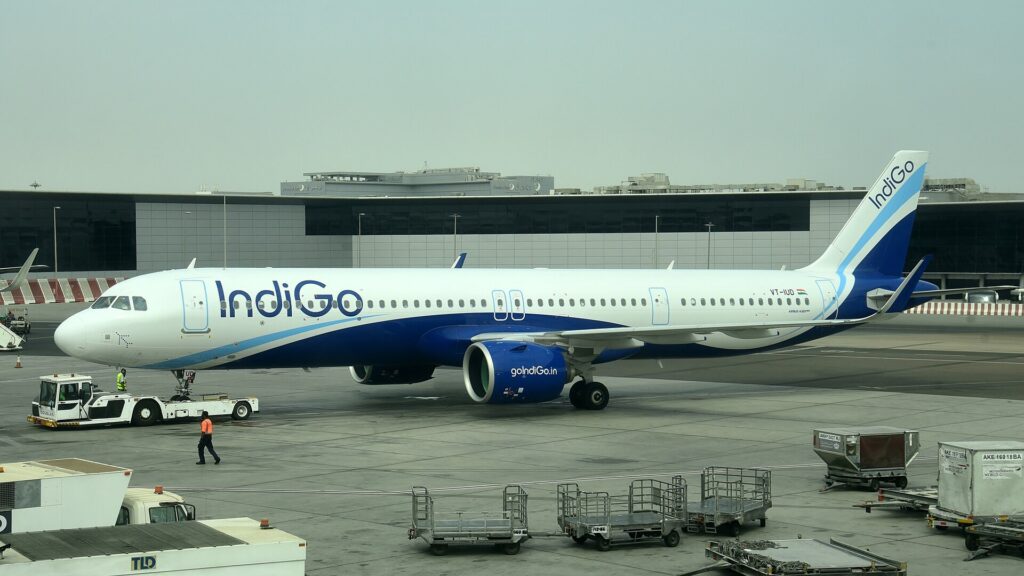
India shows the split perfectly. IndiGo is one of the world’s biggest A321neo operators, with 176 on 30 June 2026, its largest aircraft type, flown with 222 or 232 seats, or 220 with its IndiGoStretch cabin. It also flies the long-range A321XLR. See our IndiGo fleet guide.
Akasa Air is an all-Boeing airline. On 18 January 2024, at Wings India, it ordered 150 more 737 MAX aircraft: 99 MAX 10s and 51 high-density MAX 200s. For Akasa, the MAX 10 is the natural way to add seats without training pilots on a second aircraft family. Wikipedia lists the order details.
Air India flies both families. It had 10 A321neos in September 2026, and in January 2026 it added 30 Boeing aircraft to its firm orders, including 20 737-8s and 10 737-10s. Its low-cost arm, Air India Express, flies the 737 MAX 8. For Indian passengers, the first MAX 10s will therefore most likely be in Akasa or Air India colours, once deliveries begin.
Which Is Better? Head to Head
| Area | A321neo | 737 MAX 10 | Better |
|---|---|---|---|
| Maximum seats | 244 | 230 | A321neo |
| Typical two-class seats | 180 to 220 | 185 to 210 | Similar |
| Range | 4,000 nm (4,700 nm XLR) | 3,100 nm | A321neo |
| Cabin width | About 7 in wider | Narrower | A321neo |
| Cargo hold (on paper) | 51 m3 | About 55.5 m3 | 737 MAX 10 |
| Engine choice | Two | One | A321neo (choice); MAX 10 (simplicity) |
| Commonality | With A319neo and A320neo | With 737 MAX 8 and MAX 9 | Depends on the airline’s fleet |
| Runway performance | A321XLR much better (Wikipedia) | Poorer | A321 family |
| Availability | In service since 2017 | Awaiting certification | A321neo |
| Boeing’s cost claim | – | About 5% lower trip and seat cost (Boeing, 2017) | Unproven until in service |
Sources: Airbus and Boeing specifications; Wikipedia: Boeing 737 MAX.
Pros and Cons
Airbus A321neo
- Pros: up to 244 seats; up to 4,000 nm, with LR and XLR versions for longer routes; wider cabin; two engine choices; fly-by-wire cockpit shared with the A320neo; in service and proven.
- Cons: Pratt & Whitney GTF problems grounded many aircraft; long single-aisle cabin means slow boarding when full; a cabin packed to 244 seats feels crowded.
Boeing 737 MAX 10
- Pros: the biggest 737 ever; same pilots, engine and spares as the MAX 8 and MAX 9; slightly larger cargo hold on paper; Boeing claimed lower trip and seat costs than the A321neo.
- Cons: still not certified in October 2026; only 3,100 nm of range; narrower cabin; one engine choice; poorer field performance; airlines have had to rework fleet plans around the delays.
Our Verdict
If you only compare the numbers, the A321neo is the better aircraft. It carries more people, flies much further, has a wider cabin, and is already flying in large numbers. That is why Airbus dominates this part of the market and why the A321neo is IndiGo’s biggest aircraft type.
But airlines do not buy aircraft one at a time. For an airline that already runs a large 737 MAX fleet, such as Akasa Air, Ryanair or United, the MAX 10 adds about 20 to 30 extra seats over a MAX 8 on busy routes with the same pilots, engines and spare parts. That shared fleet is worth a lot of money, and it is the main reason the MAX 10 has more than a thousand orders despite years of delay.
For passengers, both will feel similar: a long single-aisle cabin with six seats per row. Your comfort will depend far more on the airline’s seat pitch and service than on the badge on the tail. For more comparisons, see our A320neo vs 737 MAX 8 and A350 vs 787 guides.
Frequently Asked Questions
Which is bigger, the A321neo or the 737 MAX 10?
They are almost the same length: the A321neo is 44.51 m long and the 737 MAX 10 is 43.8 m. The A321neo can carry more people, up to 244 against 230 for the MAX 10, and its cabin is wider. The MAX 10 has a slightly bigger cargo hold on paper.
Which has more range, the A321neo or the 737 MAX 10?
The A321neo. Airbus lists up to 4,000 nm (7,400 km) for the A321neo and A321LR, and 4,700 nm for the A321XLR. Boeing lists the 737-10 at up to 3,100 nm (5,740 km), the shortest range in the 737 MAX family.
Is the Boeing 737 MAX 10 certified?
Yes. The FAA certified the 737 MAX 10 on 20 October 2026, after certifying the smaller 737 MAX 7 on 3 August 2026. WestJet is the launch customer, and first deliveries are expected in late 2026 or early 2027.
Why did Boeing build the 737 MAX 10?
To answer the A321neo. Airlines such as United and Korean Air asked for a 737 bigger than the MAX 9, because the A321neo had outsold the MAX 9 about five to one. Boeing launched the MAX 10 on 19 June 2017 with 240 orders and commitments.
Which engines do the A321neo and 737 MAX 10 use?
The A321neo can be ordered with the CFM LEAP-1A or the Pratt & Whitney PW1100G-JM geared turbofan. The 737 MAX 10 uses only the CFM LEAP-1B, the same engine family as the rest of the 737 MAX.
Which Indian airlines will fly the 737 MAX 10?
Akasa Air ordered 99 737 MAX 10s on 18 January 2024, and Air India ordered 10 737-10s in January 2026. None has been delivered yet; the FAA certified the type on 20 October 2026 and first deliveries are expected in late 2026 or early 2027.
Which Indian airlines fly the A321neo?
IndiGo had 176 A321neos on 30 June 2026, its biggest aircraft type, and Air India had 10 in September 2026. IndiGo also flies the long-range A321XLR.
Why does the 737 MAX 10 have a special landing gear?
The 737 sits low to the ground. Stretching it needed more ground clearance when the nose lifts for take-off, so the MAX 10 has a semi-levered main landing gear that is about 9.5 inches (24 cm) taller during take-off and shortens itself to fit the existing wheel well when it retracts.
Which is better, the A321neo or the 737 MAX 10?
On paper the A321neo: more seats, more range, a wider cabin, two engine choices and long-range LR and XLR versions, and it is already in service. The MAX 10 makes sense mainly for airlines that already fly 737s, because it shares pilots, spares and the LEAP-1B engine with their MAX 8 fleets, and Boeing has claimed slightly lower trip and seat costs.
Featured image: FlyingFuel graphic using a photo of the first Boeing 737 MAX 10, N27751, at its roll-out in Renton by lamblukas, CC BY 2.0, via Wikimedia Commons.
 GulfstreamGulfstream Business Jets: Every Model From the G300 to the G800 Explained (2026)
 NewsBombardier to Hire 800 in the US and Spend $270 Million on First Phase of Expansion
 NewsAll Passengers Flying to the US Must Sign an Ebola Travel Attestation From 3 November
 BombardierBombardier Business Jets: Every Global and Challenger Model Explained (2026)
 NewsSafran LEAP Engine Deliveries Rise 26% to 1,565 in First Nine Months of 2026
 NewsEmbraer Order Backlog Hits Record $35.7 Billion as E2 Jet Orders Grow